Adipotide (FTPP) Peptide
$95.00$78.00
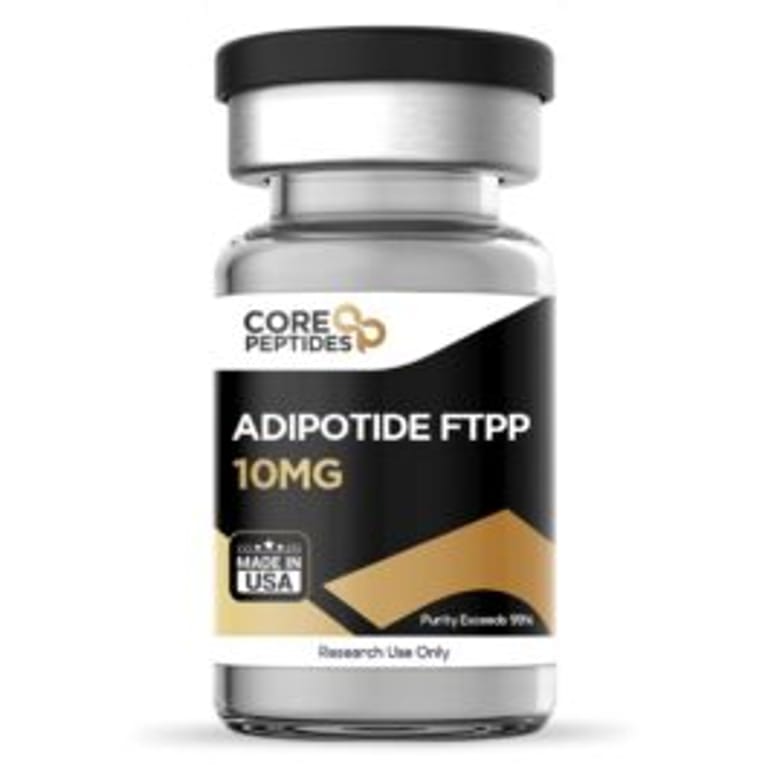
Adipotide, also known as FTPP (Fat-Targeted Proapoptotic Peptide), is a research peptide that's been widely studied for its potential in investigating lipolysis and obesity mitigation. It is a synthetic compound formed by combining a naturally occurring peptide (sequence CKGGRAKDC) with a proapoptotic sequence. Researchers believe Adipotide may have a selective affinity for prohibitin, a protein found on the surface of endothelial cells in the blood vessels of white adipose tissue. By targeting these vessels, the peptide is thought to induce apoptosis (programmed cell death) in the adipocytes (fat cells) by disrupting their blood supply.
Product Specifications
Specification | Details |
SKU | P-ADIPOTID-10 |
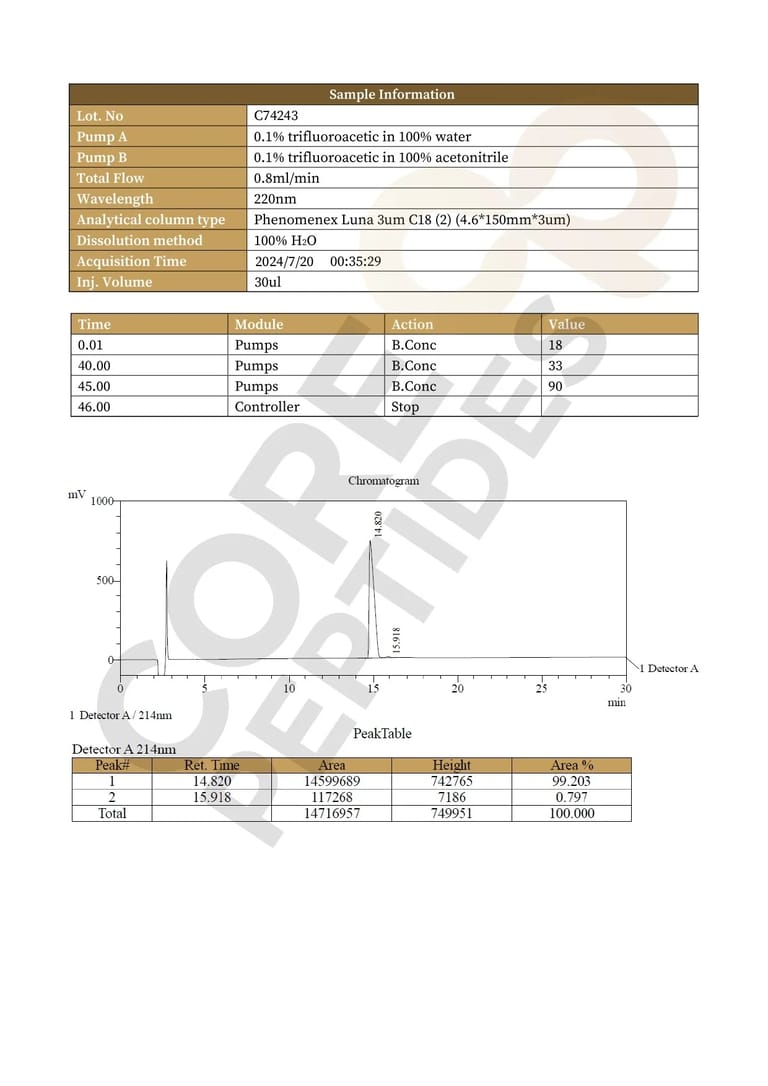
Purity | >99% |
Form | Lyophilized Powder |
Size | 10 mg |
Contents | Adipotide (FTPP) |
Pricing
Free shipping on all orders over $200!
Quantity | Discount | Price (USD) |
5 - 8 | 5% | $74.10 |
9+ | 10% | $70.20 |
Chemical Makeup
Specification | Details |
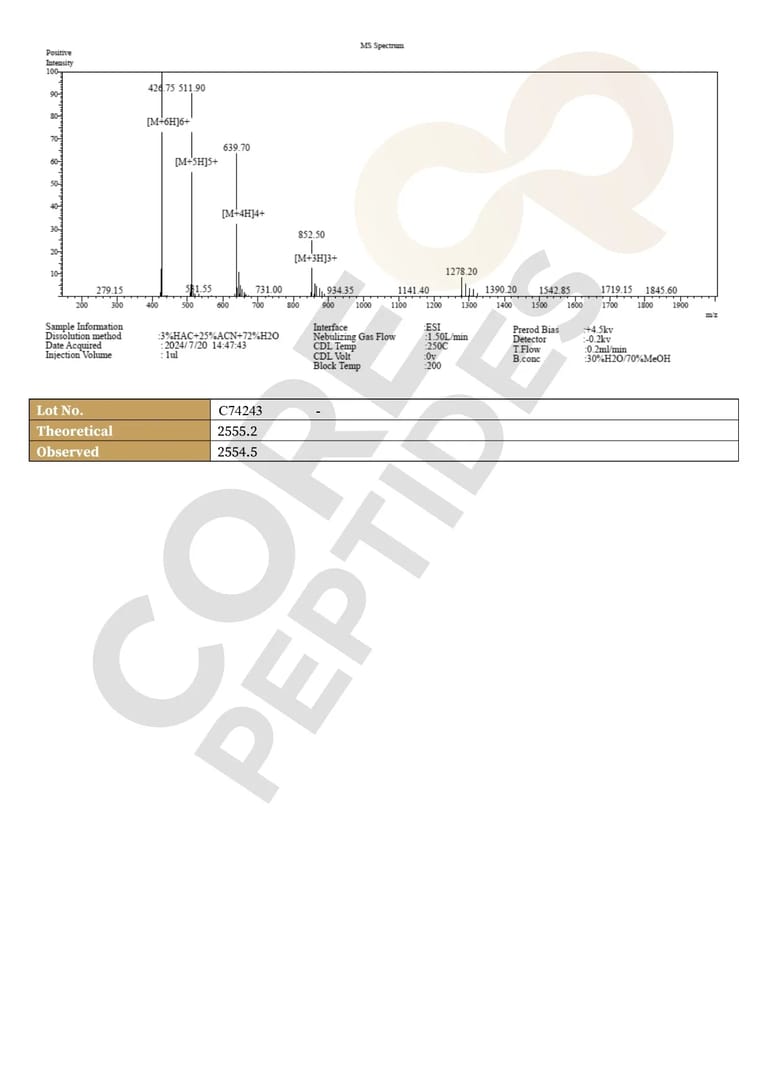
Molecular Formula | C152H252N44O42 |
Molecular Weight | 2611.41 g/mol |
Other Known Titles | FTPP (Fat-Targeted Proapoptotic Peptide) |
Research and Clinical Studies
Adipotide (FTPP) and Weight Loss
In preclinical studies, Adipotide's potential for inducing weight loss was evaluated in three different types of primate models over four weeks, with no changes to their diet or exercise. After the study, the models appeared to lose approximately 11% of their weight and 39% of their fat deposits compared to baseline. Magnetic resonance imaging (MRI) and dual-energy x-ray absorptiometry (DEXA) confirmed a significant reduction in white adipose tissue. The authors of the study also noted a reduction in food intake, suggesting that Adipotide's effects may extend to appetite or satiety signals.
Adipotide (FTPP) and Diabetes
In preliminary studies on obese murine models, Adipotide appeared to improve glucose tolerance and decrease triglyceride levels within 2 to 3 days, even without a corresponding change in body weight. This suggests a mechanism independent of weight loss. Microarray analysis of white adipose tissue in these models indicated that Adipotide might reverse high-fat diet-induced changes in gene expression related to mitochondrial function and metabolism, possibly contributing to improved glucose regulation.
Adipotide (FTPP) and Malignant Cells
Adipotide was initially developed for its potential to target cancer cells by disrupting their blood supply. Research suggests that it may exert its effects via specific receptors, including integrin α4/annexin A4 and cathepsin B/apolipoprotein E3, which are expressed on the endothelial cells of certain malignant cell vasculatures. The peptide's ability to selectively target and induce apoptosis in these cells makes it a subject of ongoing research for its potential in oncology.
Disclaimer: Adipotide peptide is for research and laboratory purposes only and is not intended for human or animal use.