AOD 9604 Peptide
$52.00$41.00
AOD 9604 is a synthetic peptide based on a specific fragment of the human growth hormone (hGH), specifically amino acids 176-191. Researchers designed it to mimic the lipolytic (fat-burning) properties of hGH without affecting insulin sensitivity or triggering the production of insulin-like growth factor 1 (IGF-1). Its primary researched action is to enhance the breakdown of stored fats, a process known as lipolysis, making it a subject of interest in obesity and weight loss research.
Product Specifications
Specification | Details |
SKU | P-AOD9604-5 |
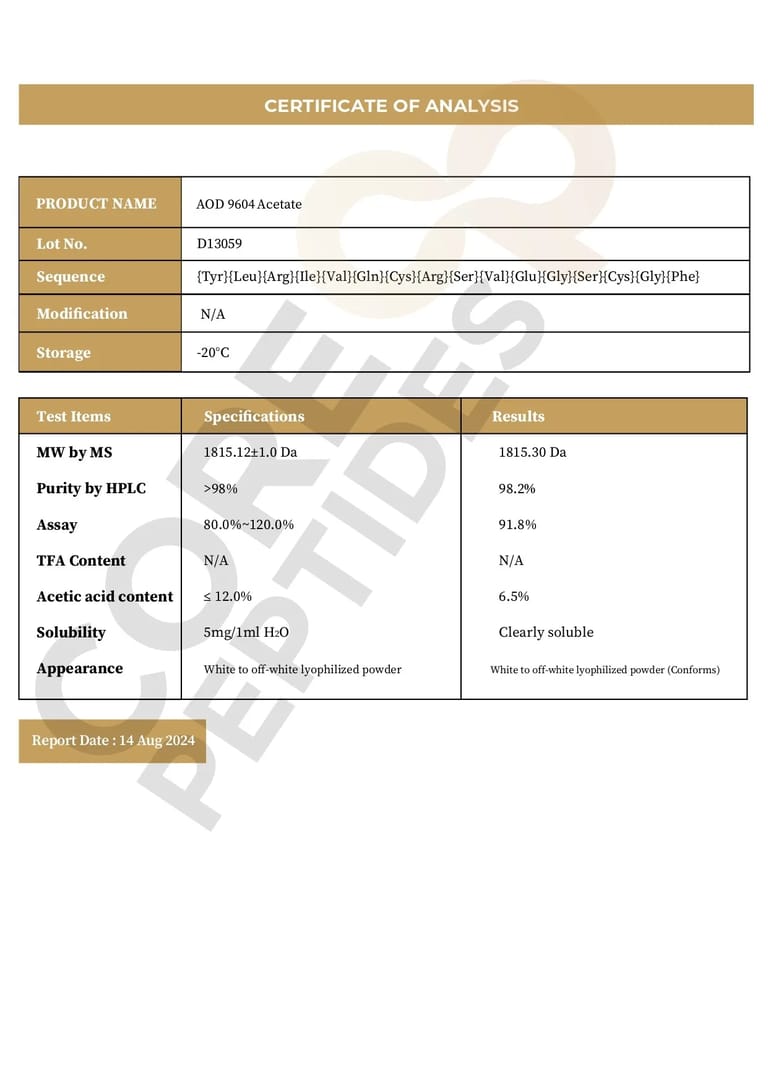
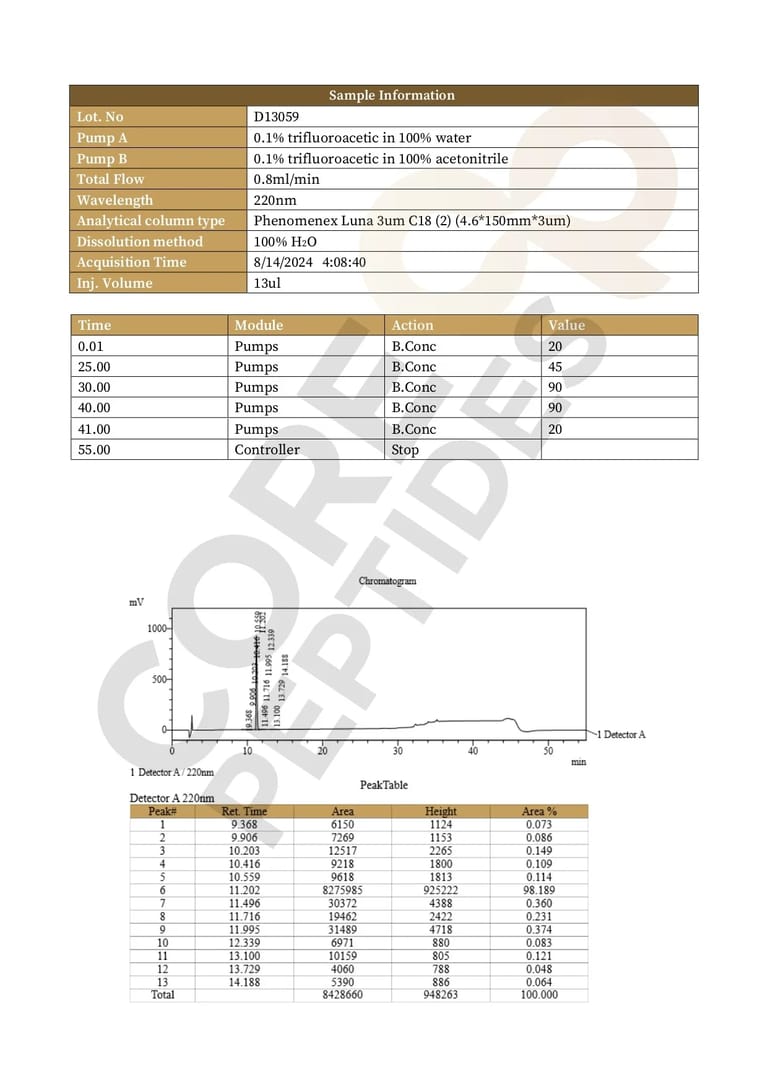
Purity | >99% |
Form | Lyophilized Powder |
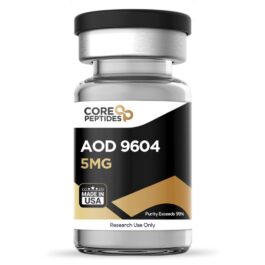
Size | 5 mg |
Contents | AOD 9604 (5 mg) |
Pricing
Free shipping on all orders over $200!
Quantity | Discount | Price (USD) |
5 - 8 | 5% | $38.95 |
9+ | 10% | $36.90 |
Chemical Makeup
Specification | Details |
Molecular Formula | C78H123N23O23S2 |
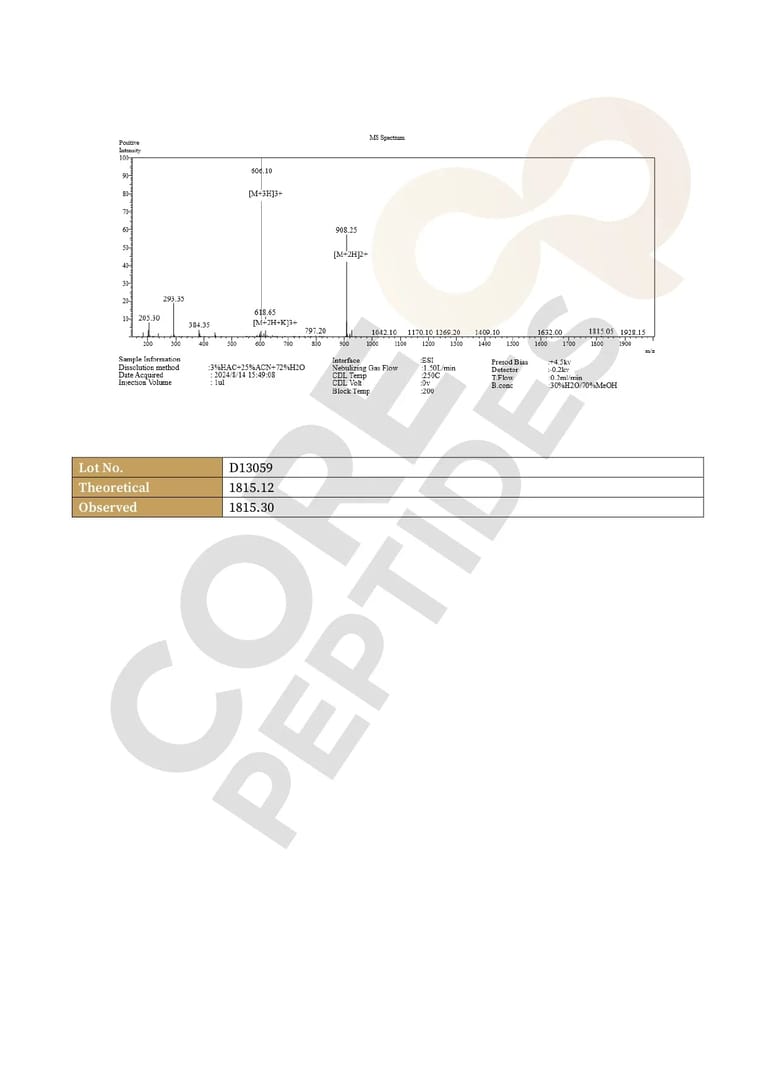
Molecular Weight | 1815.12 g/mol |
Other Known Titles | Tyr-hGH Fragment 177-191 |
Research and Clinical Studies
AOD 9604 and Lipolytic Activity
Early studies on obese mice showed that AOD 9604 appeared to reduce body weight and fat deposits. This was correlated with an increase in the levels of a key lipolytic receptor, beta(3)-AR, in fat cells. However, further research suggested that the peptide's lipolytic action might also involve increased energy expenditure and fat oxidation and might not be solely dependent on the beta(3)-AR receptor. Another study on obese Zucker rats showed that daily administration for 19 days appeared to reduce body weight by over 50% compared to a placebo group.
AOD 9604 and Obesity
A 12-week clinical trial involving 300 obese subjects found that AOD 9604 appeared to consistently promote weight loss. The trial also noted minor improvements in the subjects' cholesterol profiles and glucose tolerance. These results support the peptide's potential as a subject for obesity research.
AOD 9604 and Cell Regeneration
Research on white rabbits suggested that AOD 9604 may have a role in enhancing cartilage regeneration and repair. Rabbits treated with a combination of AOD 9604 and hyaluronic acid appeared to show the least cartilage degeneration. Additionally, in vitro studies have shown that AOD 9604 may enhance the differentiation of adipose mesenchymal stem cells into bone cells and increase the production of proteoglycans and collagen in chondrocytes. This suggests the peptide may play a role in the repair of bone, cartilage, and muscle tissues.
AOD 9604 and Research in Cancer Cells
The peptide is being researched for its potential to enhance the efficacy of chemotherapeutic agents. A study using chitosan nanoparticles to deliver both doxorubicin (a chemotherapy drug) and AOD 9604 showed that the peptide appeared to augment the drug's anti-proliferative activity against a breast cancer cell line. It is hypothesized that AOD 9604 may enhance the binding of doxorubicin to tumor-related proteins, which could improve its effectiveness while minimizing side effects on non-target tissues.
Disclaimer: AOD 9604 is for research and laboratory purposes only and is not intended for human or animal use.