ARA-290 (16mg)
$112.00$92.00
ARA-290 is a research peptide derived from the beta domain of the protein erythropoietin (EPO). Unlike EPO, which stimulates red blood cell production, ARA-290 is an 11-amino-acid chain that's being researched for its potential regenerative, anti-inflammatory, and anti-nociceptive (pain-reducing) properties. Scientists believe it may work by binding to the innate repair receptor (IRR), a complex that's activated in response to tissue injury.
Product Specifications
Specification | Details |
SKU | P-ARA290-16 |
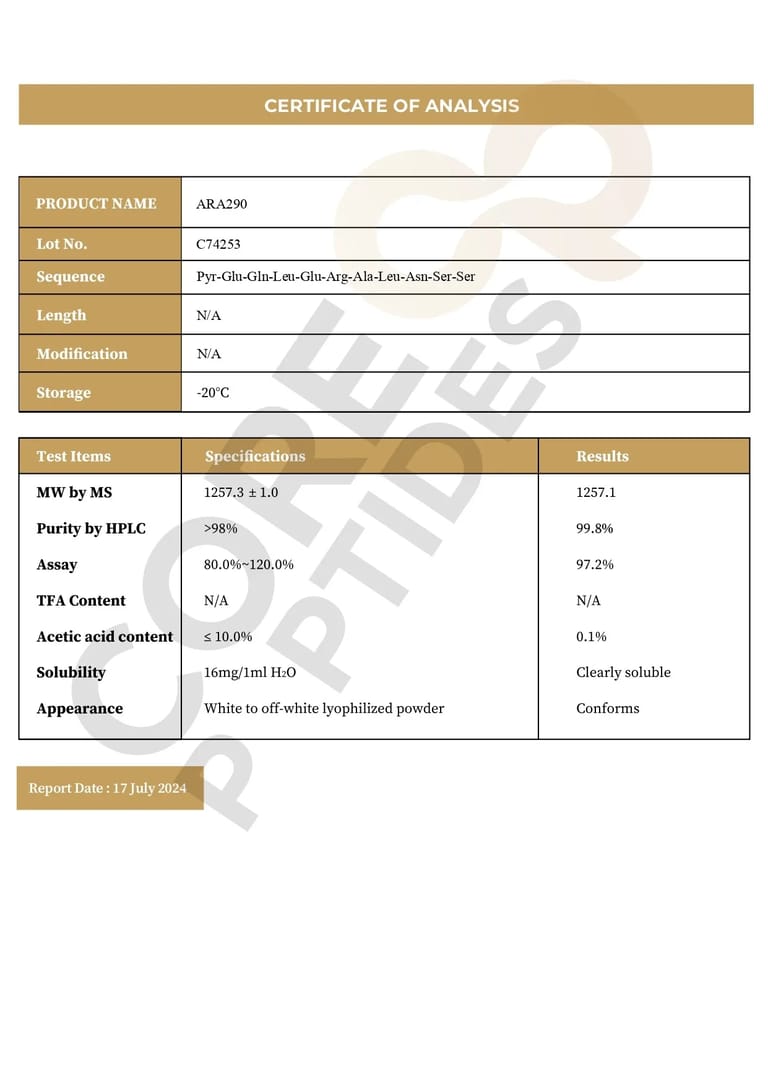
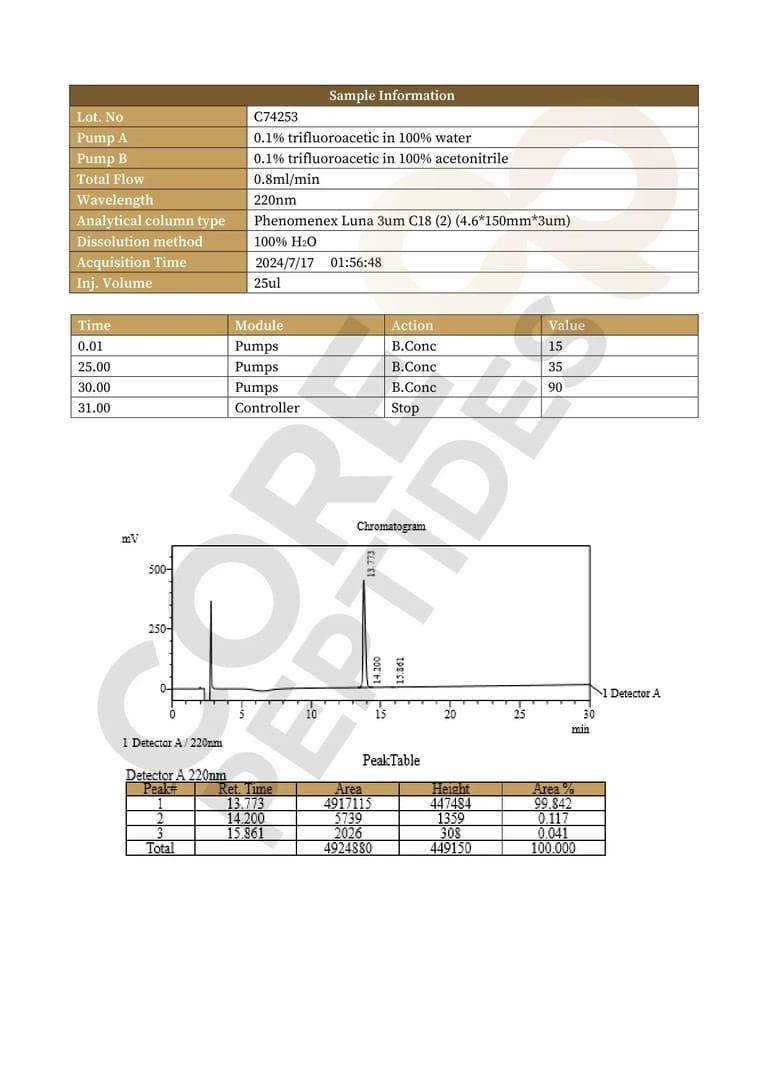
Purity | >99% |
Form | Lyophilized Powder |
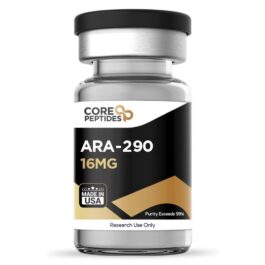
Size | 16 mg |
Contents | ARA-290 (16 mg) |
Pricing
Free shipping on all orders over $200!
Quantity | Discount | Price (USD) |
5 - 8 | 5% | $87.40 |
9+ | 10% | $82.80 |
Chemical Makeup
Specification | Details |
Molecular Formula | C51H54N16O21 |
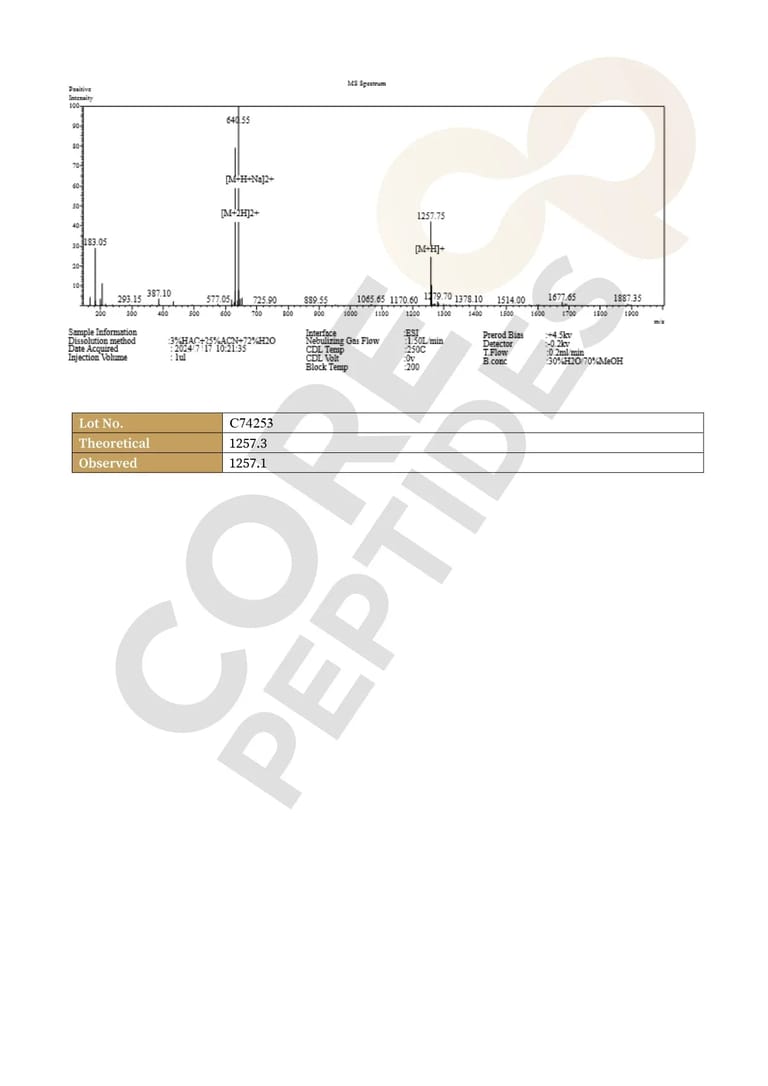
Molecular Weight | 1257.3 g/mol |
Other Known Titles | PH-BSP, cibinetide |
Research and Clinical Studies
ARA-290 and Pain (Nociception)
Research suggests that ARA-290 may have the potential to mitigate pain by affecting the Transient Receptor Potential (TRP) channels, specifically TRPV1. The TRPV1 channel is responsible for transmitting pain signals from various stimuli. A study on murine models suggested that ARA-290 might increase the threshold of the TRPV1 channel, meaning more stimuli would be needed to activate it. This could potentially inhibit the release of neuropeptides and, in turn, reduce nociceptive responses.
ARA-290 and Tissue Protection
Studies indicate that ARA-290 may protect tissues from damage by binding to tissue-protective receptors (TPRs), which are activated during inflammation. Research on pancreatic islet transplantation in murine models showed that ARA-290 appeared to protect the islet cells from cytokine-induced damage and apoptosis. It also seemed to inhibit the secretion of proinflammatory cytokines. This protective action is thought to be mediated by the EPOR-βcR complex, a signaling pathway that may lead to the inhibition of proinflammatory genes.
ARA-290 and Retinal Ischemia
A study on murine models of retinal ischemia suggested that ARA-290 may help repair retinal blood vessels. The peptide appeared to enhance the ability of endothelial colony-forming cells (ECFCs) to repair blood vessels. Furthermore, systemic administration of ARA-290 seemed to lower the levels of pro-inflammatory cytokines in retinal tissue, suggesting a potential anti-inflammatory effect that could be useful in treating ischemic retinopathies.
ARA-290 and Immunomodulation
Scientists believe that the TPR pathway, which ARA-290 may bind to, is also expressed on various immune cells, including macrophages. By interacting with this pathway, ARA-290 may reduce the release of inflammatory molecules like interleukin-6 (IL-6). Additionally, the peptide may have the potential to alter antigen presentation by dendritic cells, which are key to adaptive immunity. This could make it a subject of interest in transplantation research, as it may help prevent the rejection of transplanted tissues.
Disclaimer: ARA-290 is for research and laboratory purposes only and is not intended for human or animal use.