BPC-157 (5mg / 10mg)
$59.00$52.00
BPC-157, also known as Body Protection Compound 157, is a synthetic peptide composed of 15 amino acids. Derived from gastric juice, it is being researched for its potential to assist in the healing of various tissues, including joint, tendon, muscle, nerve, and gastrointestinal tissues. Researchers believe it may work by stimulating growth hormone (GH) receptors, which could lead to cell proliferation, angiogenesis (the formation of new blood vessels), and accelerated tissue repair.
Product Specifications
Specification | Details |
SKU | P-BPC157 |
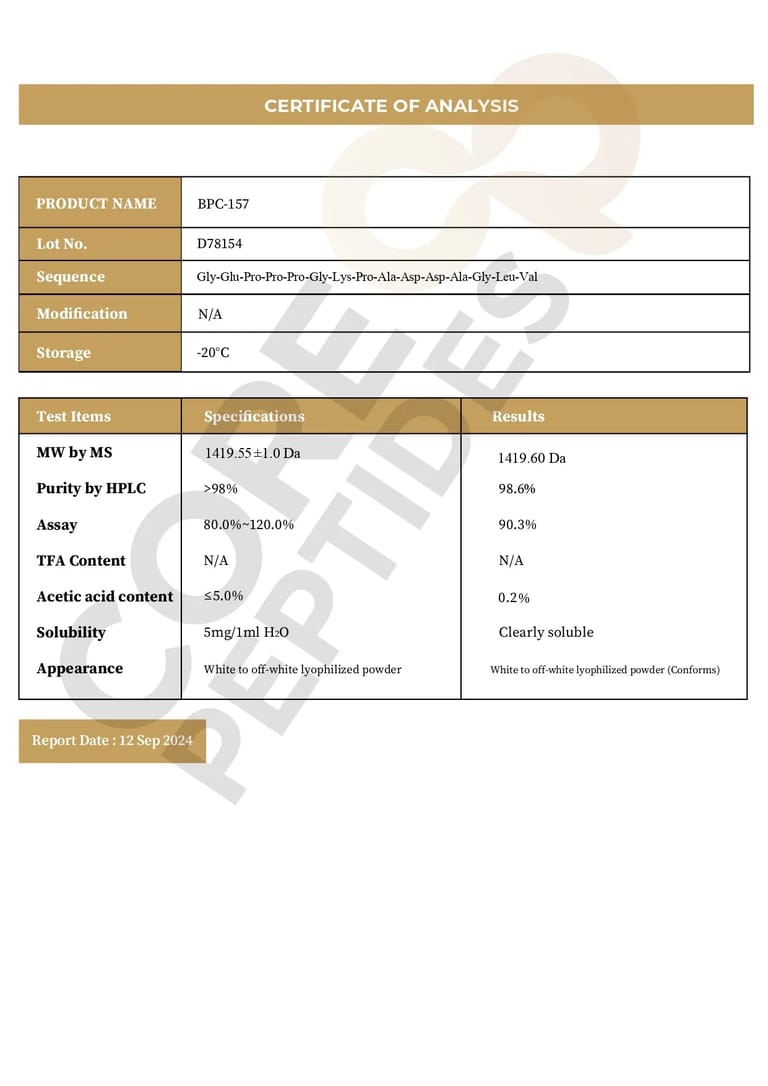
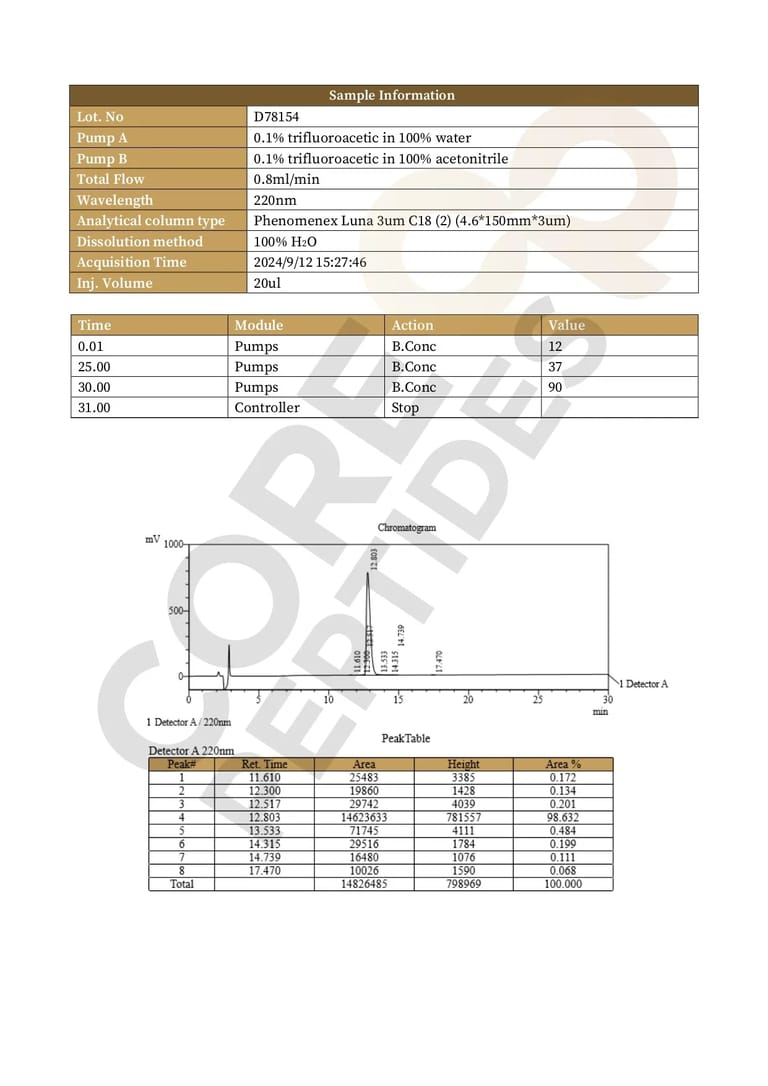
Purity | >99% |
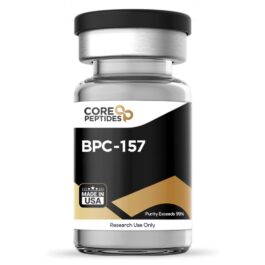
Form | Lyophilized Powder |
Contents | BPC-157 |
Pricing
Size | Price (USD) | 5-8 Units (5% Off) | 9+ Units (10% Off) |
5 mg | $52.00 | $49.40 | $46.80 |
10 mg | $97.00 | $92.15 | $87.30 |
Free shipping on all orders over $200!
Chemical Makeup
Specification | Details |
Molecular Formula | C62H98N16O22 |
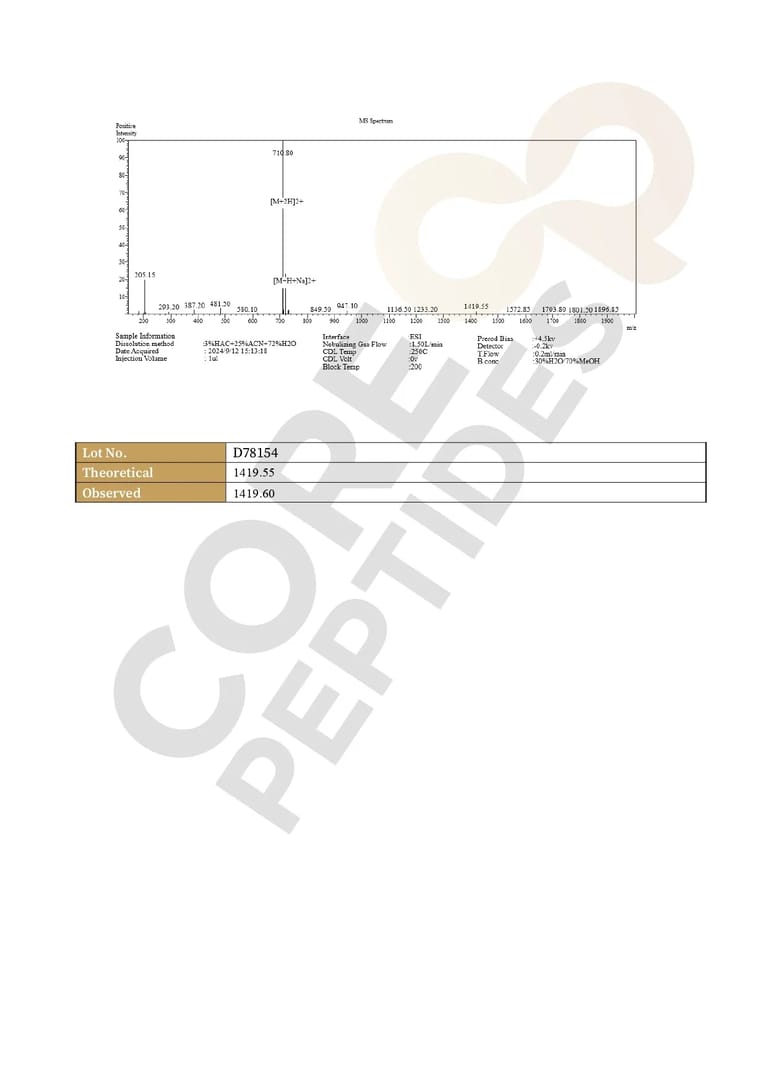
Molecular Weight | 1419.55 g/mol |
Other Known Titles | Pentadecapeptide, Body Protection Compound-157 |
Research and Clinical Studies
BPC-157 and Wound Healing
Studies on murine models with various wounds—including skin and colon tissue injuries—suggest that BPC-157 may accelerate the healing process. Histological examinations showed that models treated with BPC-157 appeared to have increased amounts of collagen and a greater density of blood vessel development. The peptide is also thought to enhance the expression of vascular endothelial growth factor (VEGF), a key protein in forming new blood vessels, and promote the migration of endothelial cells, which are crucial for tissue repair.
BPC-157 and Tendon Healing
Research on cultured tendon fibroblasts showed that BPC-157 appeared to promote cell survival, migration, and the healing of tendon tissue. The peptide is thought to activate the FAK-paxillin pathway, which plays a vital role in cell movement and adhesion, both of which are essential for tendon regeneration.
BPC-157 and Gastrointestinal Healing
BPC-157 has been researched for its potential to heal various gastrointestinal lesions, including those in the esophagus, stomach, and intestines. Studies have suggested that the peptide may have a strong angiogenic potential, aiding in the repair of GI wounds and bone tissues. This effect is believed to be consistent in both chronic and acute wound types. The peptide may also counteract over-activity in various neurotransmitter systems, which could contribute to its protective effects on multiple organs.
BPC-157 and Muscle Healing
In a study on murine models with injured gastrocnemius muscles, BPC-157 appeared to counteract the damaging effects of a corticosteroid, methylprednisolone. The peptide showed signs of healing and restoring function to the damaged muscle tissue, suggesting it may have a role in the repair of muscle injuries.
BPC-157 and the Central Nervous System
In a study on traumatic brain injury (TBI) in murine models, BPC-157 appeared to significantly reduce the damage caused by the injury. Models treated with the peptide showed a lower mortality rate and less severe brain lesions and swelling. This suggests that BPC-157 may have a protective effect against the consequences of traumatic brain injuries.
Disclaimer: BPC-157 is for research and laboratory purposes only and is not intended for human or animal use.