BPC-157 & TB-500 Blend (10mg)
$112.00$105.00
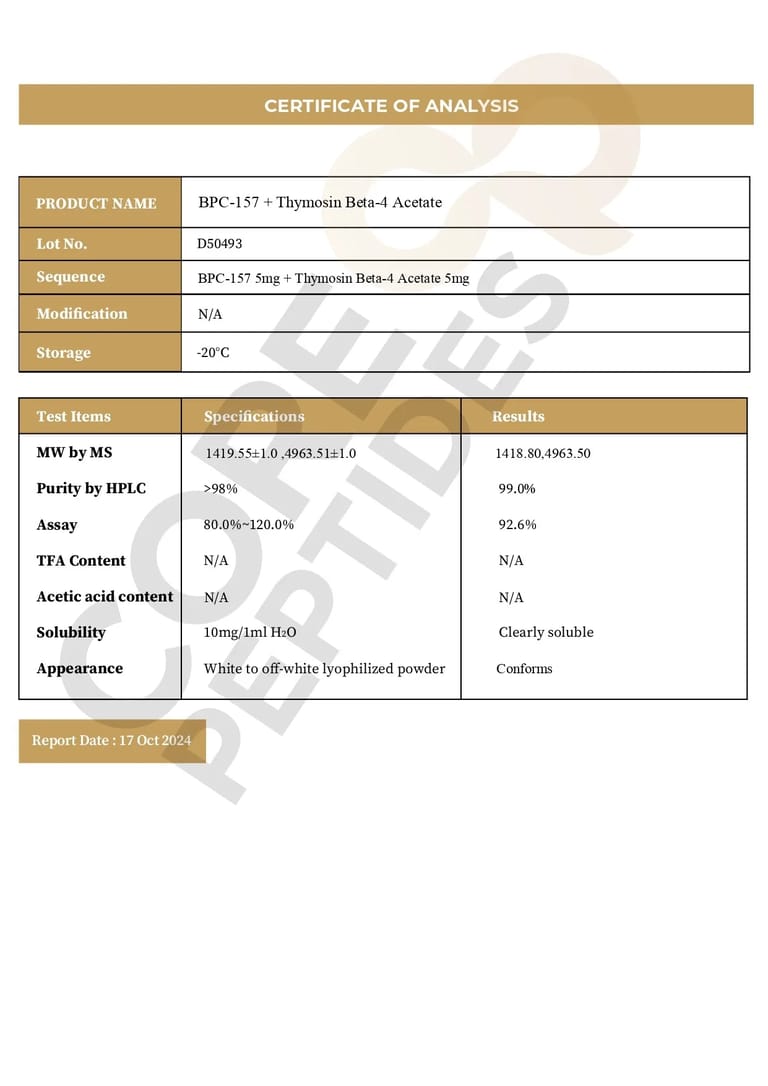
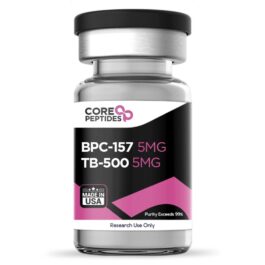
The BPC-157 & TB-500 blend is a research compound that combines two synthetic peptides, BPC-157 and TB-500, which are both being investigated for their potential in tissue repair and healing. The blend is a lyophilized powder containing 5 mg of BPC-157 and 5 mg of TB-500, with a purity of over 99%. While both peptides have similar pharmacological actions, the blend is hypothesized to maximize their potential when used in combination.
Product Specifications
Specification | Details |
SKU | P-BPC157TB500-10 |
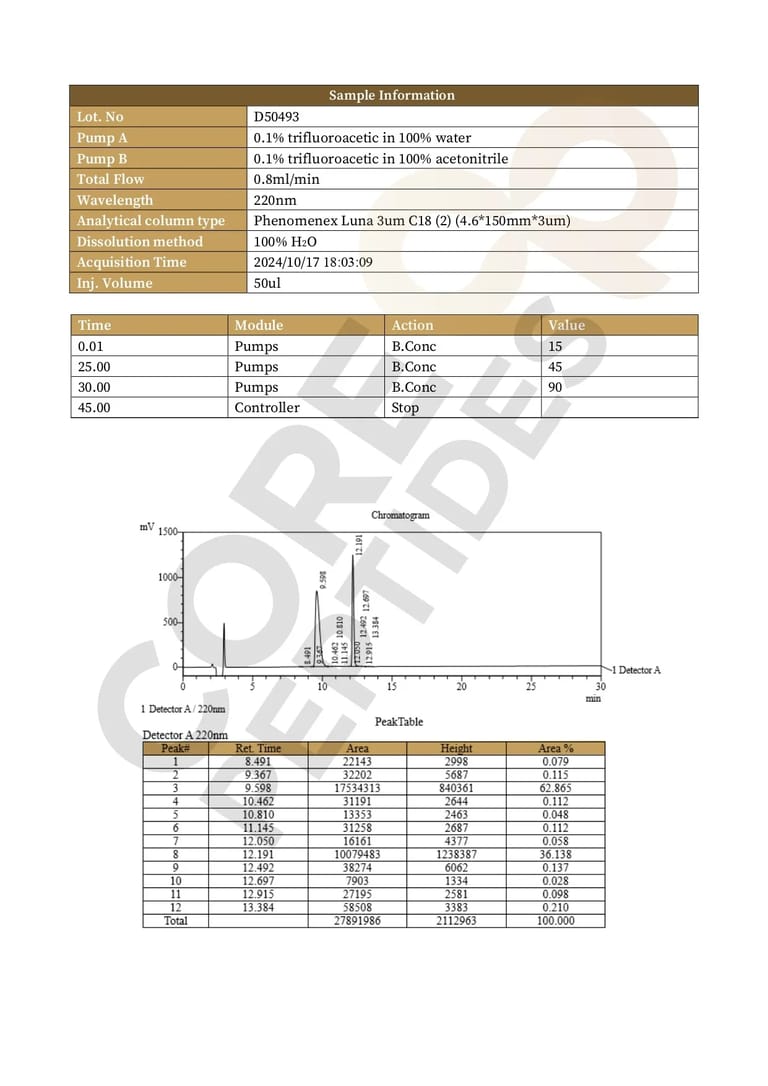
Purity | >99% |
Form | Lyophilized Powder |
Size | 10 mg (5 mg BPC-157, 5 mg TB-500) |
Contents | BPC-157, TB-500 |
Pricing
Free shipping on all orders over $200!
Quantity | Discount | Price (USD) |
Single Unit | N/A | $105.00 |
5 - 8 Units | 5% | $99.75 |
9+ Units | 10% | $94.50 |
Chemical Makeup
Peptide | Molecular Formula | Molecular Weight | Other Known Titles |
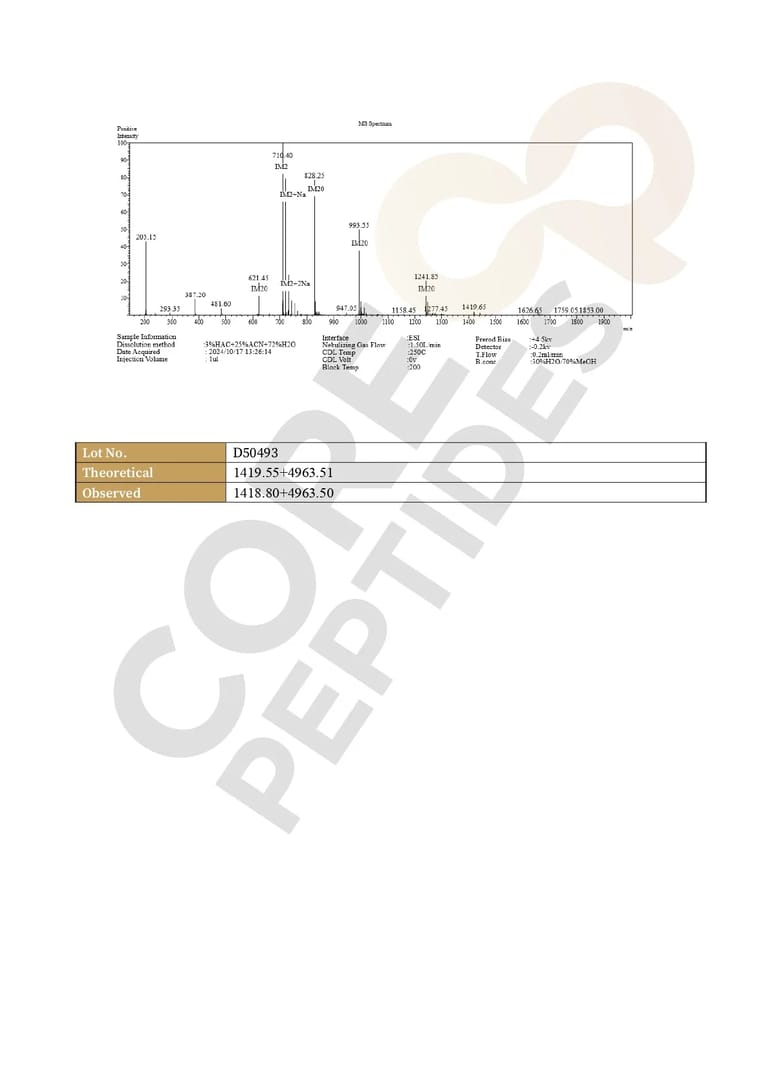
BPC-157 | C62H98N16O22 | 1419.5 g/mol | Body Protection Compound-157 |
TB-500 | C212H350N56O78S | 4963 g/mol | Thymosin Beta-4 |
Research and Clinical Studies
BPC-157 & TB-500 Blend and Tissue Repair
Both BPC-157 and TB-500 have been individually researched for their potential to enhance tissue repair.
TB-500: A 1999 study on wounded murine models found that TB-500 appeared to increase the rate of re-epithelialization by 41% after four days and caused wounds to contract by at least 11% after seven days. Another clinical trial on 72 subjects with pressure ulcers suggested that TB-500 might assist in the wound healing process.
BPC-157: A study on murine models with acute and chronic wounds indicated that BPC-157 appeared to lead to a higher number of collagen and blood vessels formed in the wound area compared to a placebo. This suggests that BPC-157 may promote angiogenesis and enhance the healing of various tissue types.
BPC-157 & TB-500 Blend and Ligaments
Research on both peptides suggests they may aid in ligament repair.
TB-500: A study on murine models with a severed medial collateral ligament (MCL) found that TB-500 appeared to promote the formation of more evenly spaced and wider collagen fibers in the healing tissue. This led to improved mechanical properties of the regenerating ligament.
BPC-157: Another study suggested that BPC-157 may aid in the recovery of connective tissues by promoting the growth and migration of tendon fibroblasts. This is believed to be linked to the activation of the FAK-paxillin pathway, which plays a crucial role in cell movement and adhesion essential for tendon healing.
BPC-157 & TB-500 Blend and Muscle
Both peptides have also been investigated for their potential effects on muscle tissue.
BPC-157: A study on murine models with injured gastrocnemius muscles found that BPC-157 appeared to cause a complete restoration of the damaged muscles and their function, even after the models were exposed to corticosteroids which typically cause severe muscle damage.
TB-500: Research suggests that TB-500 may promote the regeneration of cardiac muscle cells, possibly by enhancing their resilience to low oxygen conditions and fostering angiogenesis. It is also believed to support the movement of myocardial and endothelial cells, which are vital for heart function and repair.
Disclaimer: The BPC-157 & TB-500 Peptide Blend is available for research and laboratory purposes only and is not intended for human or animal use.