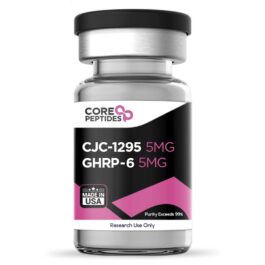
CJC-1295 & GHRP-6 Blend (10mg)
$75.00$69.00
The CJC-1295 & GHRP-6 blend is a research compound containing two synthetic peptides that act on different receptor pathways to potentially enhance the release of growth hormone (GH). GHRP-6 is a ghrelin analog that binds to ghrelin receptors in the pituitary and hypothalamus, while CJC-1295 is a growth hormone-releasing hormone (GHRH) analog that binds to GHRH receptors. When used together, these peptides are believed to act synergistically to stimulate GH synthesis and secretion, which may aid in muscle and ligament repair.
Product Specifications
Specification | Details |
SKU | P-CJCGHR6-10 |
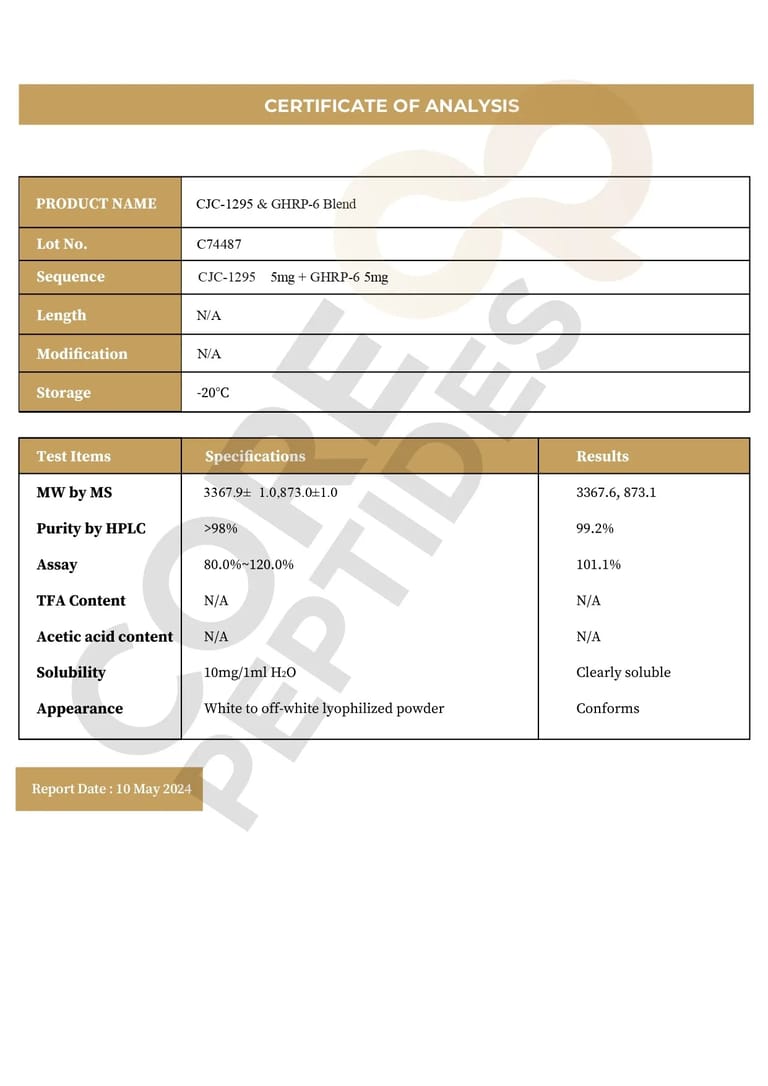
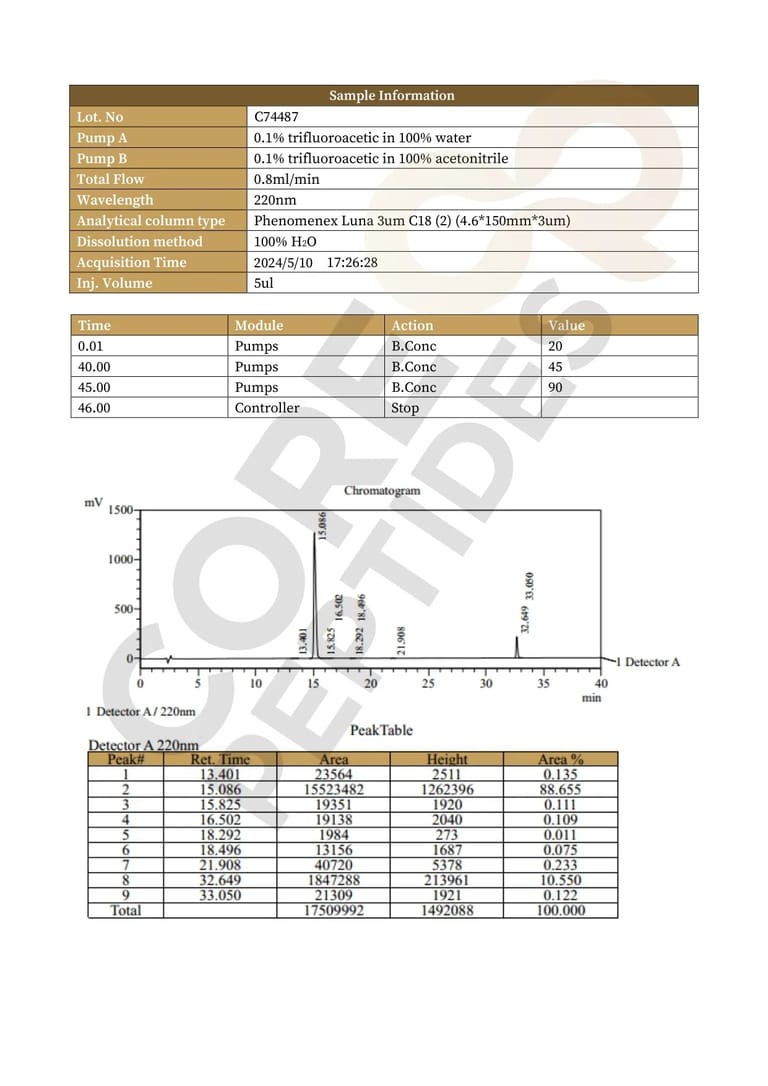
Purity | >99% |
Form | Lyophilized Powder |
Size | 10 mg (5 mg of each peptide) |
Contents | CJC-1295 NO DAC, GHRP-6 |
Pricing
Free shipping on all orders over $200!
Quantity | Discount | Price (USD) |
Single Unit | N/A | $69.00 |
5 - 8 | 5% | $65.55 |
9+ | 10% | $62.10 |
Export to Sheets
Chemical Makeup
Peptide | Molecular Formula | Molecular Weight | Other Known Titles |
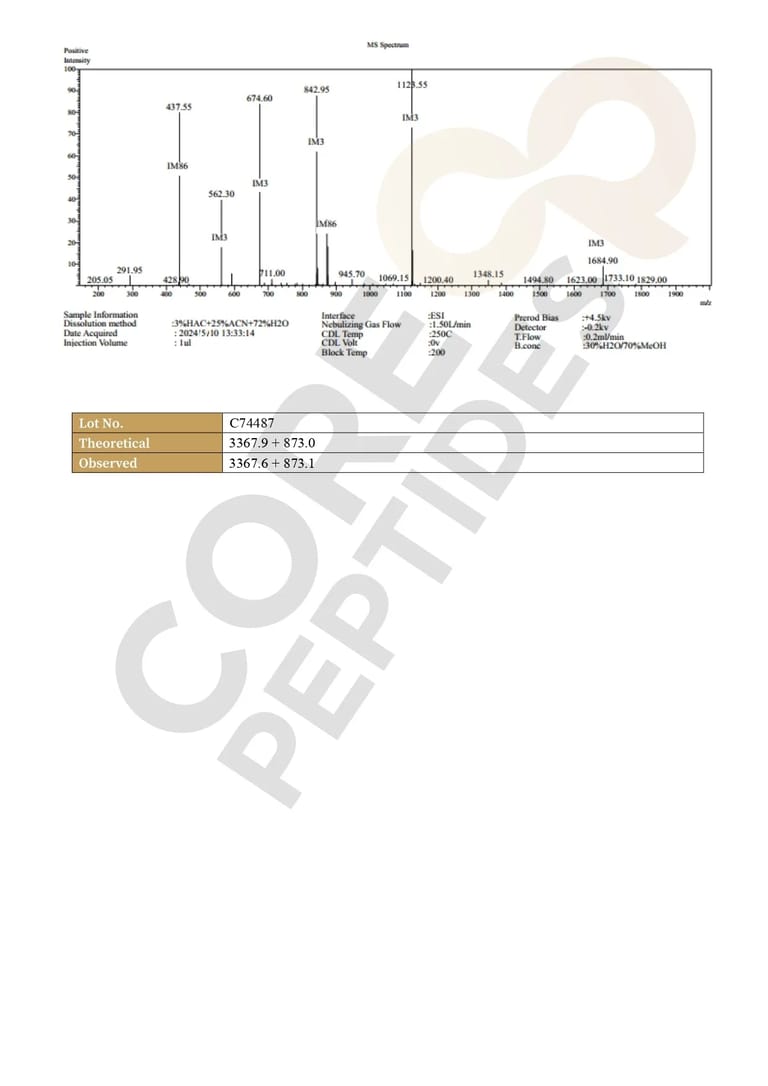
CJC-1295 | C152H252N44O42 | 3367.9 g/mol | GHRH Derivative |
GHRP-6 | C46H56N12O6 | 873.0 g/mol | Growth Hormone-releasing hexapeptide |
Research and Clinical Studies
GH Levels & Hypothyroidism
Research on the individual peptides suggests that both can increase GH levels. A clinical trial on CJC-1295 reported a 7.5-fold increase in GH levels. A study on GHRP-6 showed an exponential increase in GH levels regardless of the presence of arginine, a known GH booster.
Furthermore, a study on subjects with hypothyroidism (low GH levels) found that a blend of GHRP-6 and a GHRH peptide (like CJC-1295) resulted in significantly higher GH levels than either peptide alone. This may be because GHRP-6 acts as an antagonist to somatostatin, an inhibitor of GH secretion, allowing for a greater GH release.
Cellular Repair
The blend may be beneficial for cellular repair due to the actions of its components. Studies on GHRP-6 in animal models with multiple organ failure suggested that the peptide might improve gut epithelial cell function and increase cellular migration, potentially reducing the negative effects of organ failure by 50-85%.
GHRP-6 is also thought to have a preference for CD36 receptors, which are involved in fat metabolism, immune reactions, and the formation of new blood vessels. By potentially affecting inflammation and angiogenesis, GHRP-6 may help improve cellular repair in various tissues.
Neuroprotection
Research suggests that GHRP-6 may be linked to the protection and repair of nervous tissue. A study on murine models found that GHRP-6 appeared to boost IGF-1 mRNA levels in specific brain regions, which may lead to the activation of intracellular pathways related to cell survival and a move away from apoptosis (programmed cell death). This indicates a potential neuroprotective function.
Other Research
Heart Rate: Preliminary research suggests that GHRH analogs like CJC-1295 may help stabilize heart rate and improve cardiac function after a heart attack. The peptide appeared to promote cardiac tissue repair, improve the heart's blood pump capacity, and reduce infarct size.
Diabetes-Induced Gastrointestinal Activity: A study on diabetic mouse models suggested that GHRP-6 may have a potential role in improving delayed upper gastrointestinal transit by increasing the rate of gastric emptying and intestinal transit.
Disclaimer: The CJC-1295 & GHRP-6 blend is available for research and laboratory purposes only.