DSIP (5mg)
$49.00$41.00
DSIP (Delta Sleep-Inducing Peptide) is a naturally occurring peptide composed of nine amino acids that was first isolated from the brains of sleeping experimental models. As its name suggests, DSIP is primarily being researched for its potential to regulate the sleep cycle, but it is also being investigated for its possible effects on the endocrine system, stress response, and longevity.
Product Specifications
Specification | Details |
SKU | P-DSIP-5 |
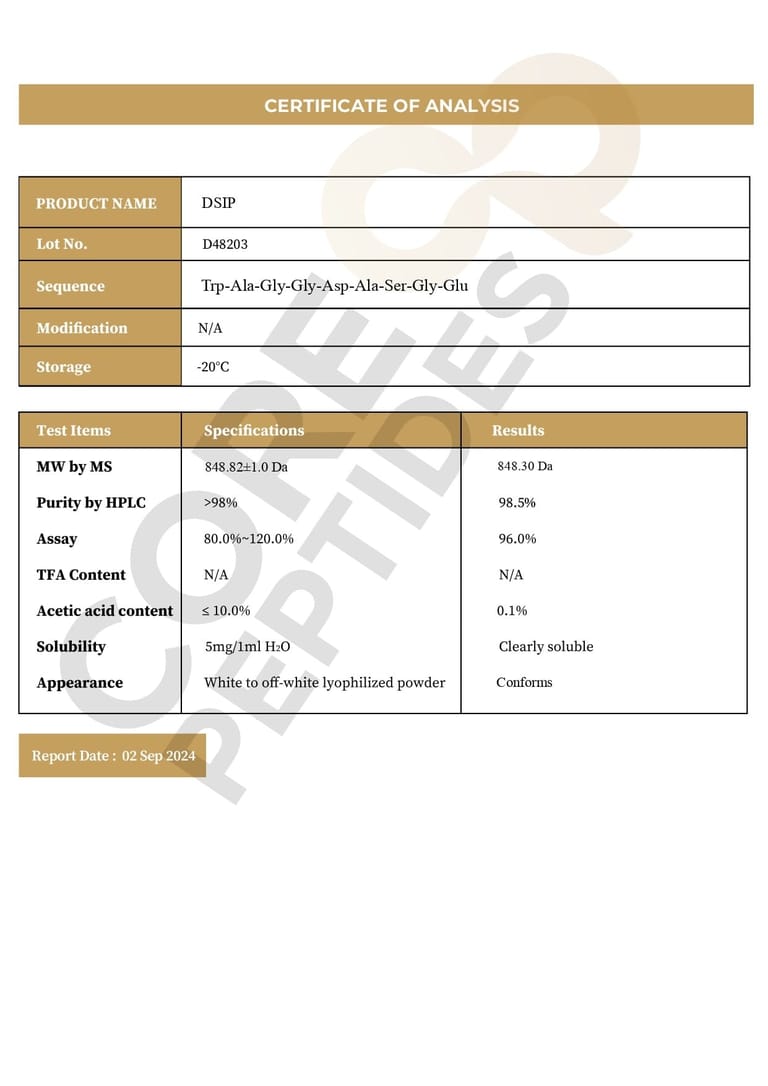
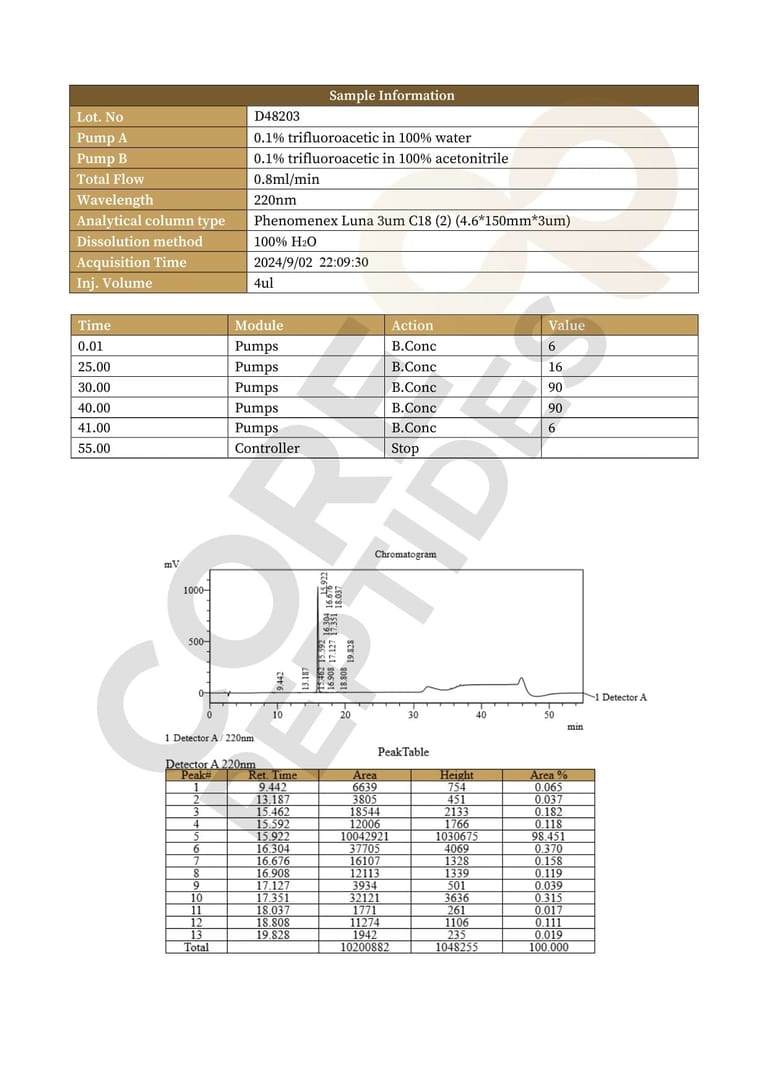
Purity | >99% |
Form | Lyophilized Powder |
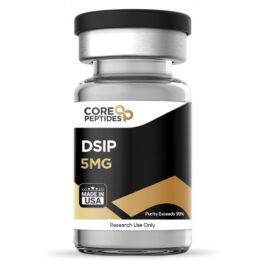
Size | 5 mg |
Contents | DSIP (5 mg) |
Pricing
Free shipping on all orders over $200!
Quantity | Discount | Price (USD) |
5 - 8 | 5% | $38.95 |
9+ | 10% | $36.90 |
Chemical Makeup
Specification | Details |
Molecular Formula | C35H48N10O15 |
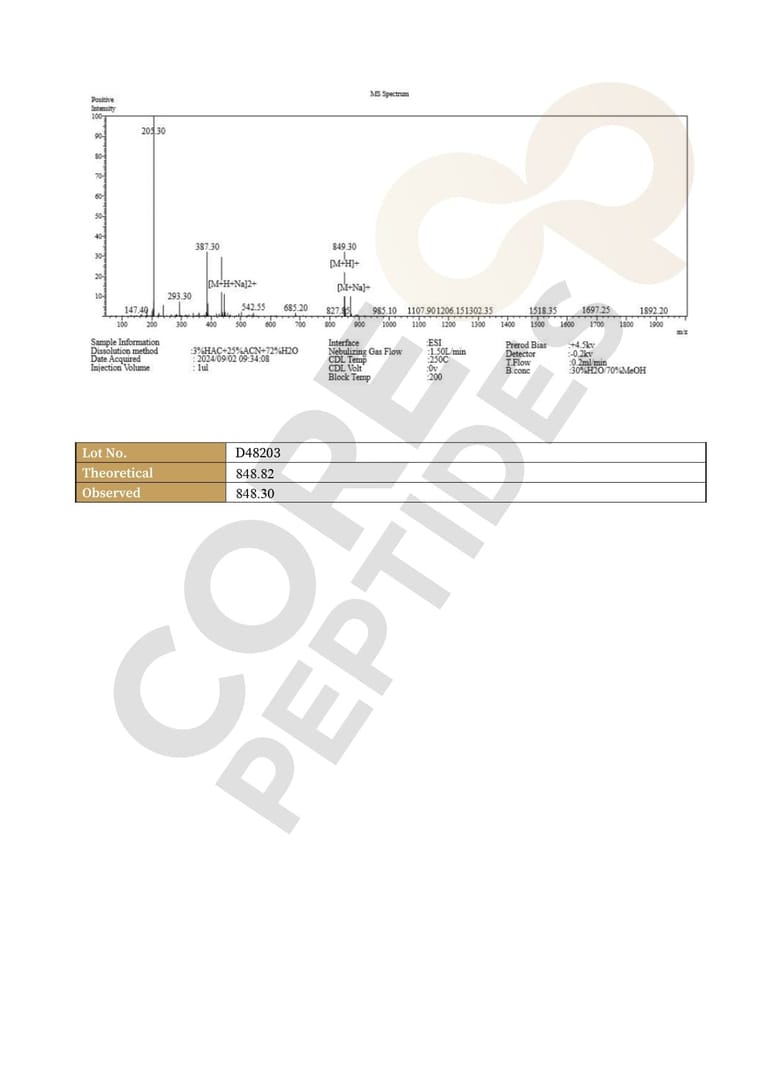
Molecular Weight | 848.82 g/mol |
Other Known Titles | DSIP nonapeptide, emideltide |
Research and Clinical Studies
Sleep Cycles
Studies on feline models suggest that DSIP may significantly increase slow wave sleep (SWS), also known as deep sleep. The effect appeared to be immediate and was maintained for several hours. A clinical study also suggested that the peptide may increase sleep pressure, resulting in a 59% increase in sleep within two hours and possibly shortening sleep onset.
Endocrine Regulation
DSIP is being investigated for its potential to interact with the endocrine system.
Luteinizing Hormone (LH): A study on murine models suggested that DSIP may significantly elevate LH levels, a hormone crucial for regulating reproductive hormones.
Growth Hormone (GH): Research suggests that DSIP may increase the secretion of GH by acting on the hypothalamus. This effect was inferred from the blocking action of a dopamine antagonist, suggesting a dopaminergic mechanism.
Stress Response
DSIP is being researched for its potential to modulate the stress response. A study on murine models exposed to stress suggested that DSIP may cause fluctuations in levels of substance P, beta-endorphin, and corticosterone. The study noted a decrease in corticosterone, a direct indicator of stress, shortly after DSIP exposure, hinting at a possible stress-modulatory role.
Longevity
A study on murine models suggested that DSIP may decrease chromosomal aberrations in the bone marrow by 23% and improve lifespan by 24% compared to a control group. The peptide is also being researched for its potential antioxidative properties. A study suggested that DSIP may prevent lipid peroxidation, a process that causes oxidative stress, and stimulate the body's natural antioxidant defense systems.
Disclaimer: DSIP is available for research and laboratory purposes only.