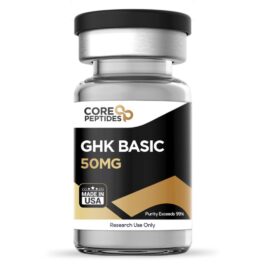
GHK Basic (50mg)
$56.00$49.00
GHK Basic is a tripeptide with the amino acid sequence glycyl-histidyl-lysine (GHK). It is currently being investigated for its potential to facilitate cellular communication and tissue repair. Research suggests that GHK may stimulate the growth of blood vessels and nerves, enhance the synthesis of key extracellular matrix proteins such as collagen, elastin, and glycosaminoglycans, and promote the function of dermal fibroblasts. Its regenerative potential is being explored across various tissues, including the skin, liver, lungs, and bone.
Product Specifications
Specification | Details |
SKU | P-GHK-Basic |
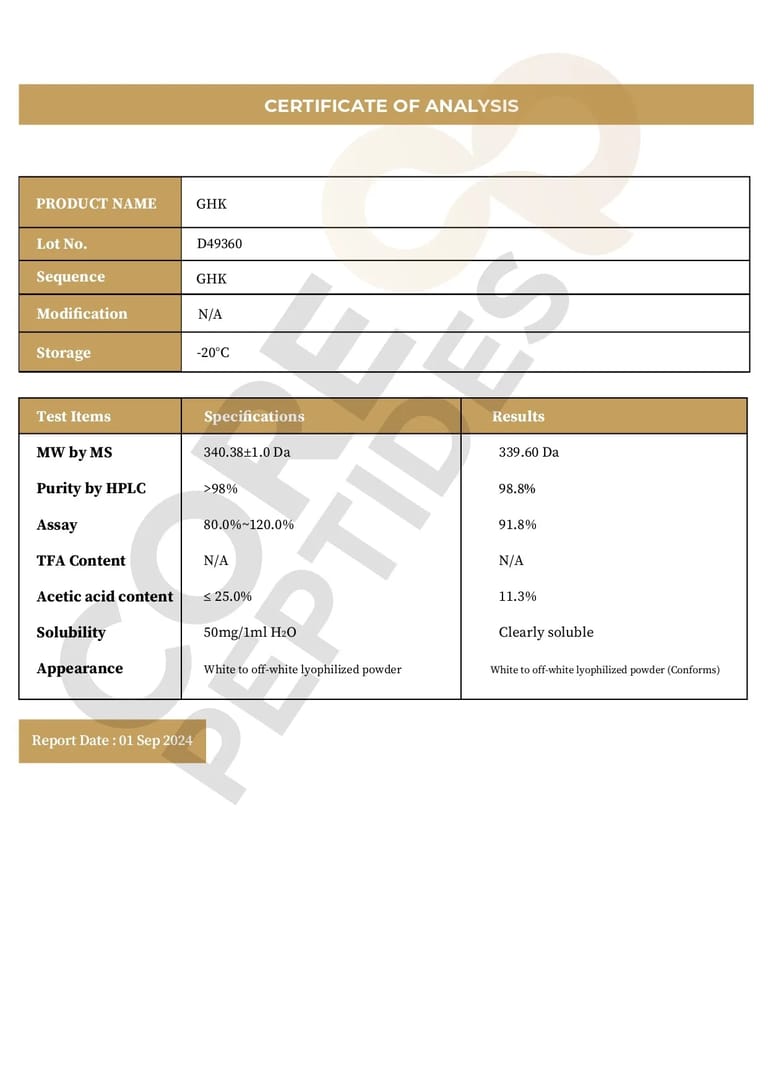
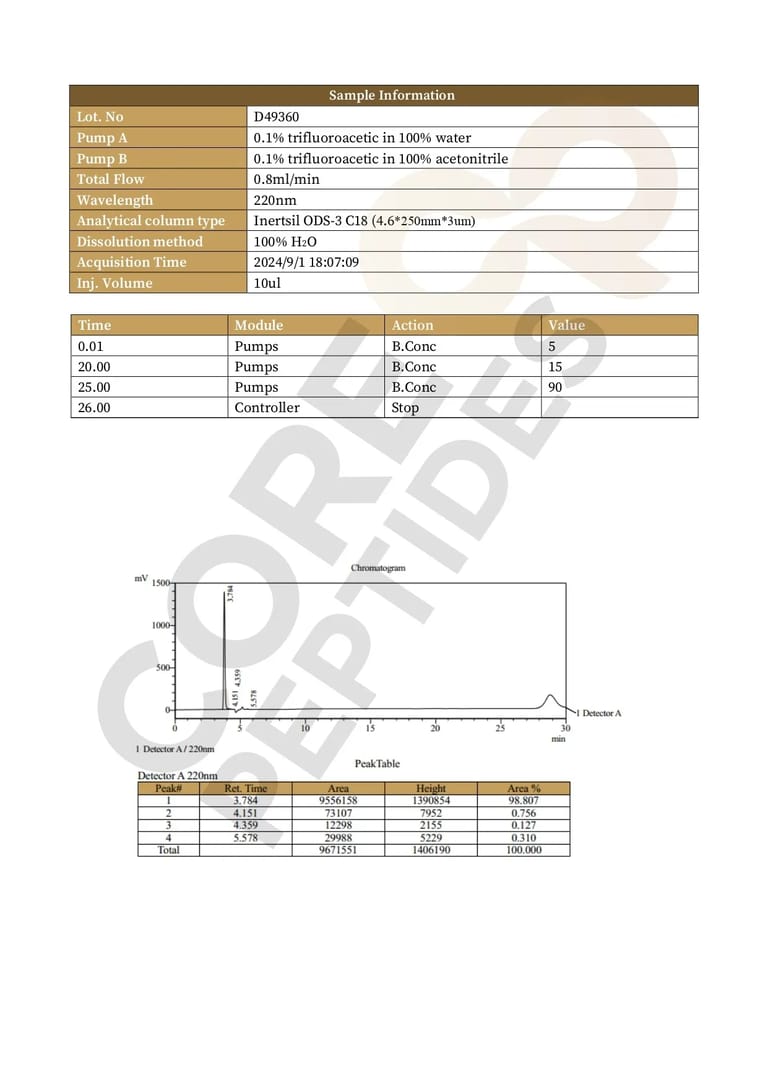
Purity | >99% |
Form | Lyophilized Powder |
Size | 50 mg |
Contents | GHK Basic (50 mg) |
Pricing
Complimentary shipping on orders over $200.
Quantity | Discount | Price (USD) |
Single Unit | N/A | $49.00 |
5 - 8 | 5% | $46.55 |
9+ | 10% | $44.10 |
Chemical Makeup
Specification | Details |
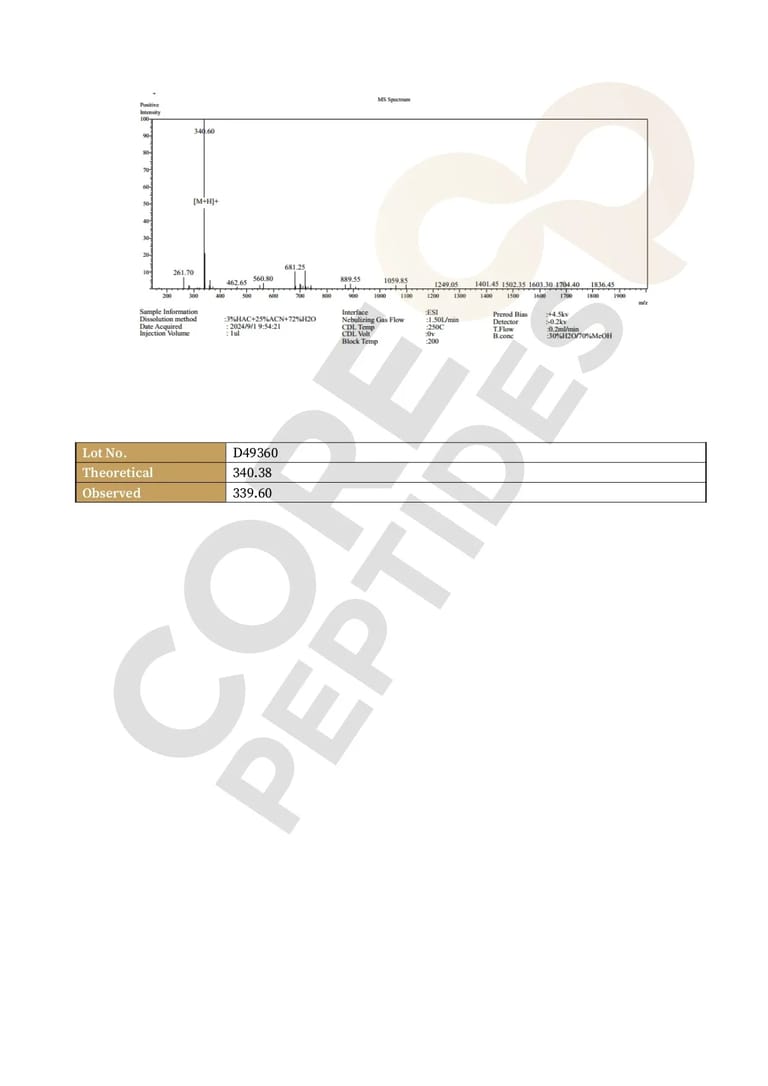
Molecular Formula | C14H24N6O4 |
Molecular Weight | 340.4 g/mol |
Research and Clinical Investigations
Skin Cell Regeneration & Wound Healing
GHK is being investigated for its potential to stimulate skin cell regeneration and wound healing. Studies on aged liver tissue suggest that GHK may prompt the production of proteins identical to those found in younger plasma (2, 3, 4). The peptide is also hypothesized to increase the synthesis of collagen, glycosaminoglycans, and proteoglycans, which are crucial for maintaining the skin's structural integrity. Furthermore, GHK may regulate the activity of metalloproteinases, enzymes that initiate the breakdown of extracellular matrix proteins, potentially preventing the accumulation of damaged proteins.
In animal model studies, GHK has shown promising results in accelerating wound healing. When used in conjunction with a high-concentration helium-neon laser, it was reported to hasten wound contraction and enhance blood vessel growth and antioxidant activity (5). In diabetic murine models, collagen dressings infused with GHK appeared to significantly improve wound closure, epithelialization, and collagen synthesis (6). The copper-containing analog, GHK-Cu, has also been shown to promote wound closure and reduce pro-inflammatory markers (7).
Anti-inflammatory & Antioxidant Activities
GHK is suggested to exhibit potential anti-inflammatory and antioxidant properties. Research indicates that the peptide may help mitigate lipid peroxidation, a process that generates damaging free radicals, by binding to its byproducts (9). It is also believed to inhibit the release of iron from ferritin, which catalyzes lipid peroxidation, thereby potentially curbing inflammation in injured tissues (10).
In studies on murine models with lung inflammation, GHK appeared to lower the generation of reactive oxygen species and inflammatory cytokines. It is thought to hinder the activation of key signaling pathways, reducing levels of inflammatory molecules like TNF-1 and IL-6. The peptide was also reported to decrease the influx of inflammatory cells into lung tissue and may suppress oxidative stress in alveolar cells caused by smoke exposure (11, 12).
Cardiovascular Health
Research suggests that GHK may have a potential role in cardiovascular health by inhibiting fibrinogen synthesis (13). Elevated fibrinogen levels are considered to increase blood viscosity, which is a suggested risk factor for cardiovascular disease. By potentially reducing fibrinogen synthesis, GHK might lower the risk of coronary events.
Disclaimer: GHK Basic peptide is designated for research and laboratory purposes only.