Melanotan 2 (10mg)
$48.00$41.00
Melanotan 2, also known as MT-II, is a synthetic cyclic heptapeptide that is an analog of the α-melanocyte-stimulating hormone (α-MSH). It's being investigated for its potential to stimulate melanogenesis (the production of melanin pigment) in the skin, which may result in a tanned appearance. Research also suggests that due to its non-selective agonism of melanocortin receptors (MC-Rs), it may have other effects, including the potential to increase arousal and influence appetite.
Product Information
Specification | Details |
SKU | P-MELANTN2-10 |
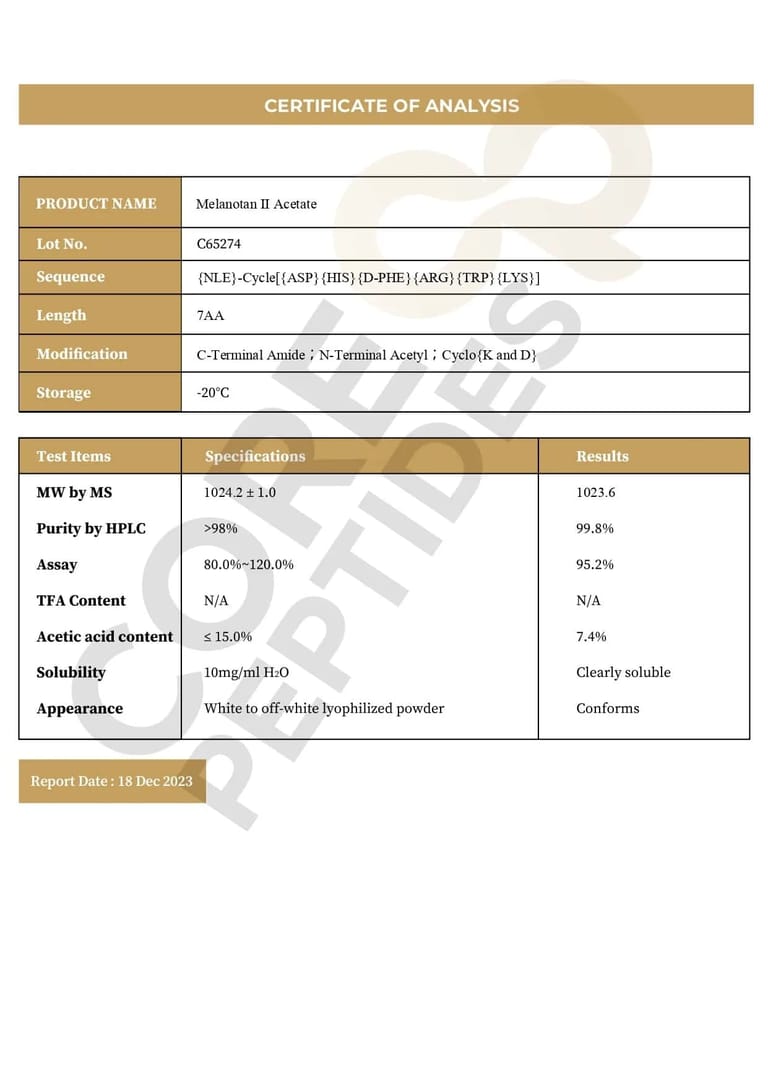
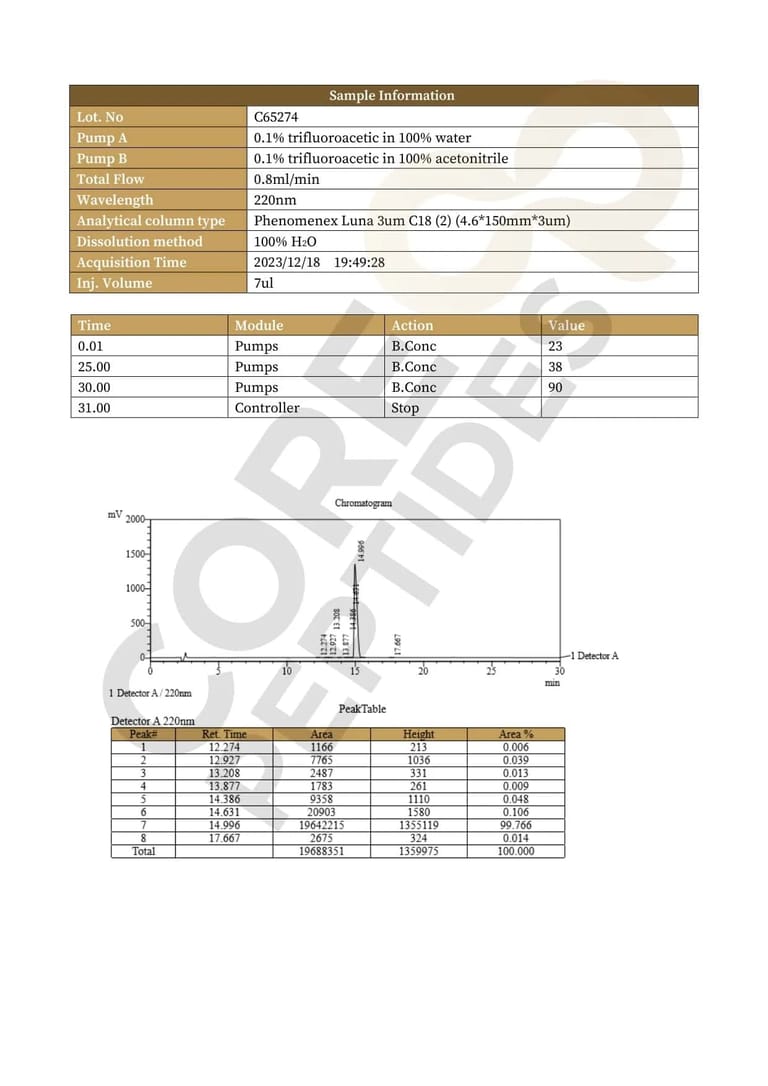
Purity | >99% |
Form | Lyophilized powder |
Size | 10mg |
Contents | Melanotan 2 (10mg) |
Pricing
Quantity | Discount | Price (USD) |
Single Unit | N/A | $41.00 |
5 - 8 | 5% | $38.95 |
9+ | 10% | $36.90 |
Chemical Makeup
Specification | Details |
Molecular Formula | C_50H_69N_15O_9 |
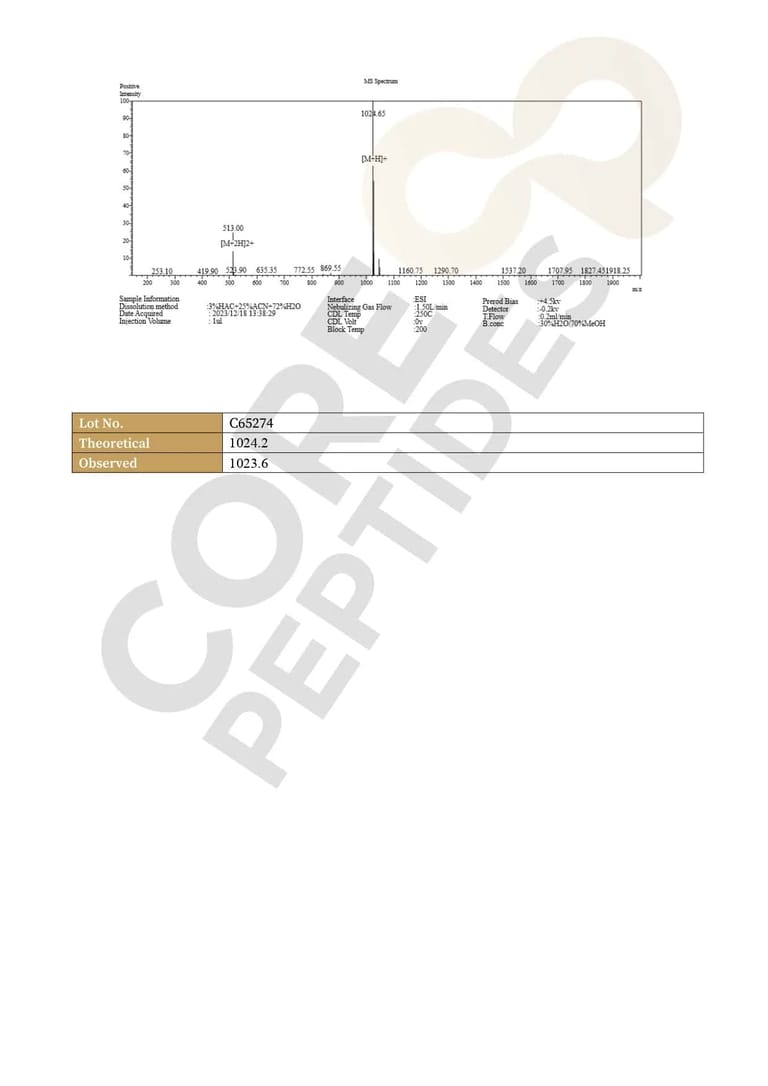
Molecular Weight | 1024.19 g/mol |
Other Known Titles | MT-II |
Research and Clinical Studies
Receptor Agonism
Melanotan 2 is a non-selective agonist that may bind with four of the five melanocortin receptors: MC1R, MC3R, MC4R, and MC5R. This interaction may lead to different effects depending on the receptor's location. For example, binding to MC1R on melanocytes may lead to increased eumelanin production and skin pigmentation (4). The potential interaction with MC4R in the central nervous system, particularly the hypothalamus, may influence arousal and appetite (3).
Nerve Cell Regeneration
Research suggests Melanotan 2 may have neurotrophic properties. In a study on a murine model with a peripheral nerve injury, the peptide appeared to promote a recovery in sensory function. In other studies, Melanotan 2 appeared to exhibit neuroprotective properties against neurotoxicity induced by chemotherapeutic compounds, possibly by engaging MC4 receptors that may support nerve regeneration and neurite outgrowth (5).
Arousal & Neurodevelopmental Modulation
Melanotan 2 is being investigated for its potential to influence arousal and neurodevelopmental conditions. A clinical study suggested that the peptide appeared to increase arousal neuron signaling in a high percentage of cases (6). This action is believed to be mediated via the MC4 receptors and may involve downstream signals like dopamine and oxytocin.
Furthermore, some researchers hypothesize that Melanotan 2 may influence neural circuits that govern social cognition, possibly by stimulating the release of endogenous oxytocin from the hypothalamus. This may in turn modulate other neurotransmitters like serotonin and dopamine, potentially reshaping the neuroarchitecture and addressing social impairment in some neurodevelopmental contexts (7).
Sunless Tanning
Melanotan 2 is also being investigated for its potential to induce pigmentation without the need for UV exposure. By engaging the MC1R on melanocytes, the peptide may increase the synthesis of eumelanin. This has reportedly led to increased pigmentation in various areas of the body in experimental models, offering a potential pathway for the development of sunless tanning models in a controlled research environment (8).
Disclaimer: Melanotan 2 peptide is available for research and laboratory purposes only.