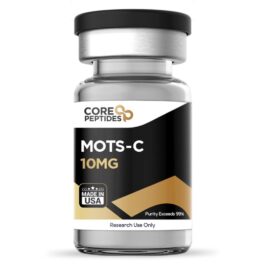
MOTS-C (10mg)
$128.00$116.00
MOTS-c (mitochondrial open-reading-frame of the 12S rRNA-c) is a 16-amino-acid peptide derived from mitochondria. It is being investigated for its dual role as a cell-specific compound and a "mitokine" or mitochondrial hormone. Research suggests MOTS-c may act by stimulating the AMP-activated protein kinase (AMPK) pathway, which could influence cellular metabolism, physical performance, and myoblast adaptation.
Product Information
Specification | Details |
SKU | P-MOTS-C-10mg |
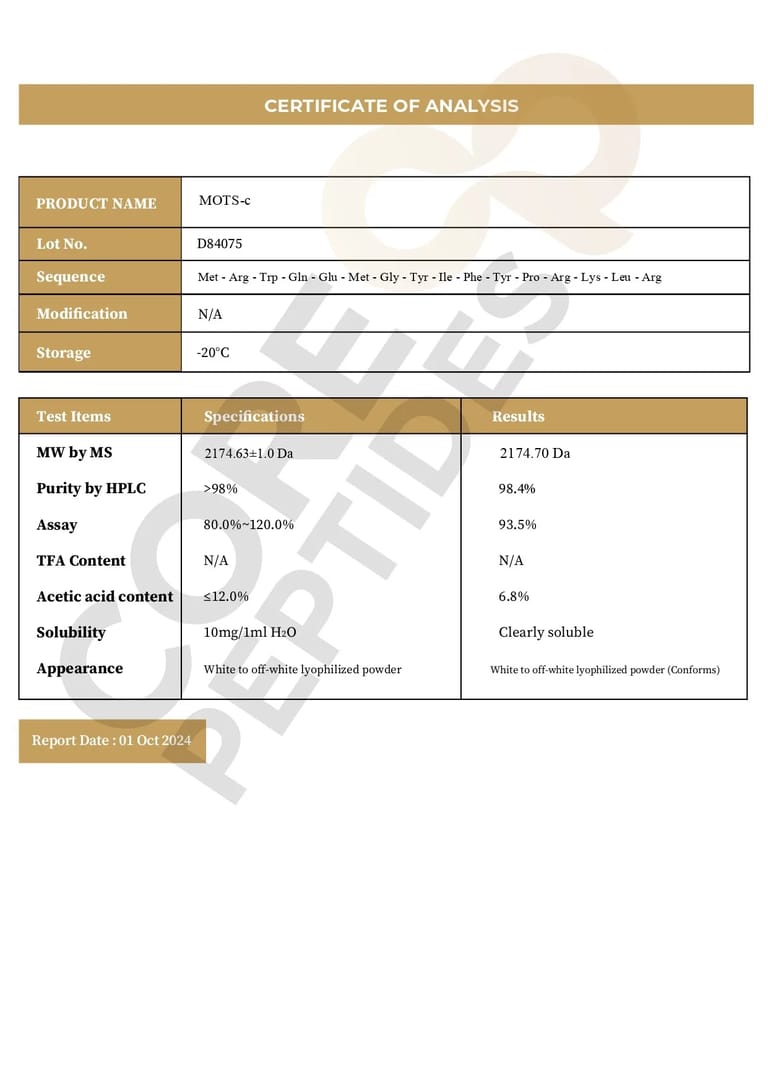
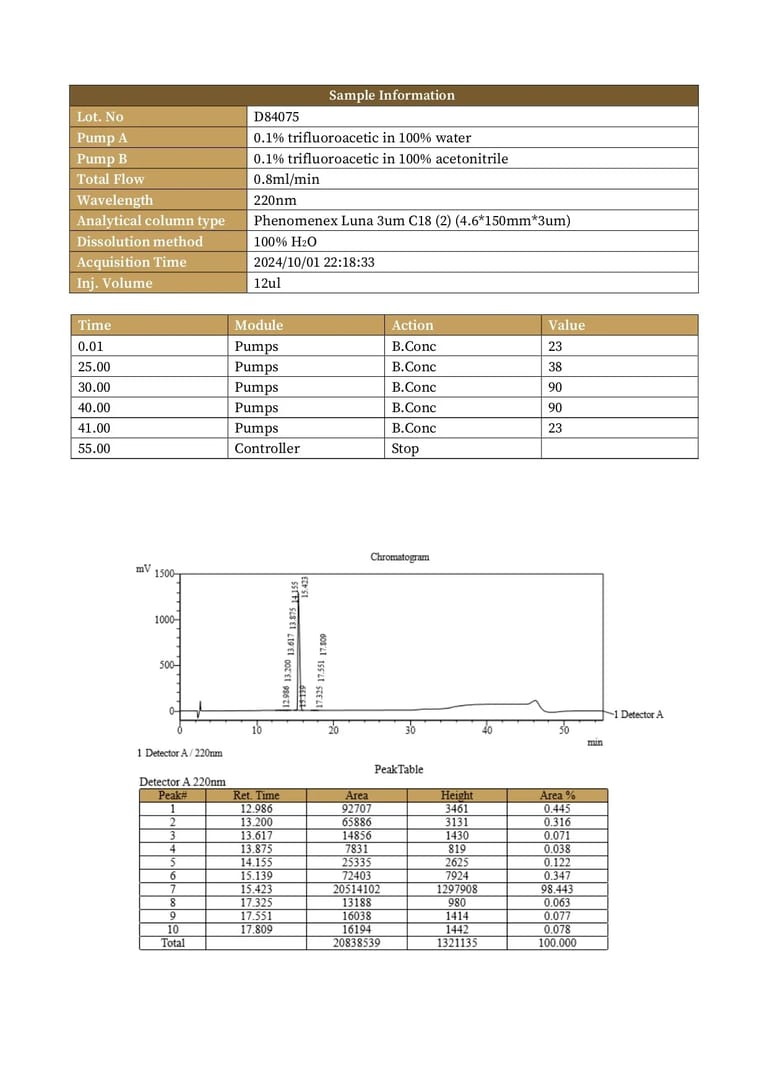
Purity | >99% |
Form | Lyophilized powder |
Size | 10mg |
Contents | MOTS-c |
Pricing
Quantity | Discount | Price (USD) |
Single Unit | N/A | $116.00 |
5 - 8 | 5% | $110.20 |
9+ | 10% | $104.40 |
Chemical Makeup
Specification | Details |
Molecular Formula | C_101H_152N_28O_22S_2 |
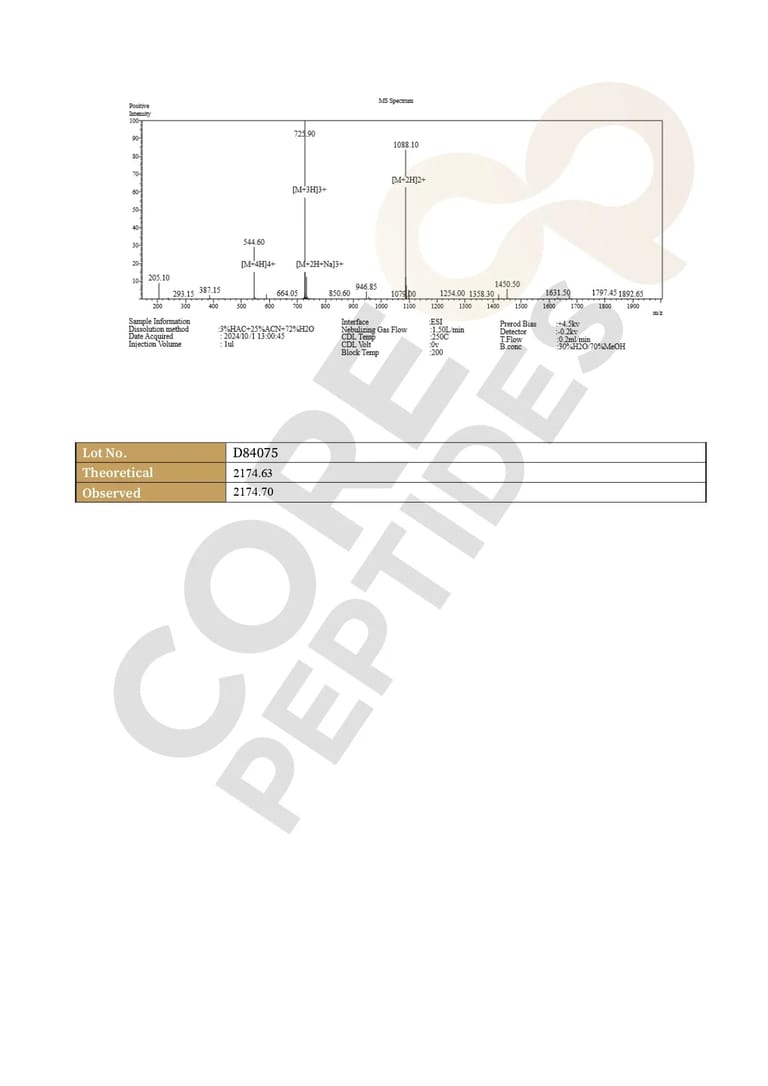
Molecular Weight | 2174.64 g/mol |
Other Titles | Mitochondrial-derived peptide MOTS-c, Mitochondrial open reading frame of the 12S rRNA-c |
Research and Clinical Studies
Metabolism & Physical Performance
Research suggests that MOTS-c may have a significant role in metabolism, particularly in skeletal muscle and fat cells. In skeletal muscle, which can become insulin-resistant with age, the peptide is believed to improve glucose uptake and metabolism by activating the AMPK pathway (1).
In studies on mice fed a high-fat diet, the peptide appeared to alter gene expression and inhibit the folate cycle, which led to AMPK activation and enhanced glucose utilization. The models exposed to MOTS-c reportedly remained lean and more energetic, suggesting the peptide may prevent fat accumulation and combat diet-induced obesity (3).
Bone & Cardiac Function
MOTS-c is being investigated for its potential effects on bone tissue and cardiac function. Studies suggest that it may regulate the transforming growth factor beta (TGF-beta)/SMAD pathway, which is involved in bone tissue development. The peptide appeared to stimulate the differentiation of stem cells in bone marrow, which could lead to bone tissue development (7).
While it may not directly influence cardiac function, MOTS-c is being researched for its potential to affect the endothelial cells that line blood vessels. Studies on mice suggested that the peptide appeared to improve the functioning of these endothelial tissues, which are crucial for regulating blood pressure and clotting (8).
Cell Lifespan
Preliminary research has associated MOTS-c with enhanced cellular longevity. Its expression and activity are thought to decline with age, and it may interact with other known aging regulators, such as NAD+ and sirtuins. The peptide's role in the aging process and age-related metabolic dysfunction is a focus of ongoing research (1, 9).
Disclaimer: The peptide is available for research and laboratory purposes only.