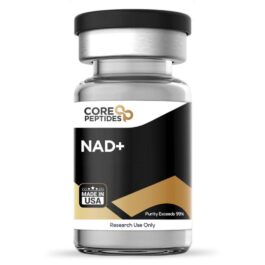
NAD+ (100mg / 750mg)
$54.00$47.00
NAD+ (Nicotinamide Adenine Dinucleotide) is an endogenous nucleotide that is being researched for its role as a coenzyme in over 500 metabolic and cellular processes. It is crucial for redox functions, acting as an electron carrier to support energy production and DNA repair. The peptide is being investigated for its potential to support "productive aging," enhance neuroprotection, and improve metabolic and cardiac functions.
Product Information
Specification | Details |
SKU | P-NADPLUS-100-750 |
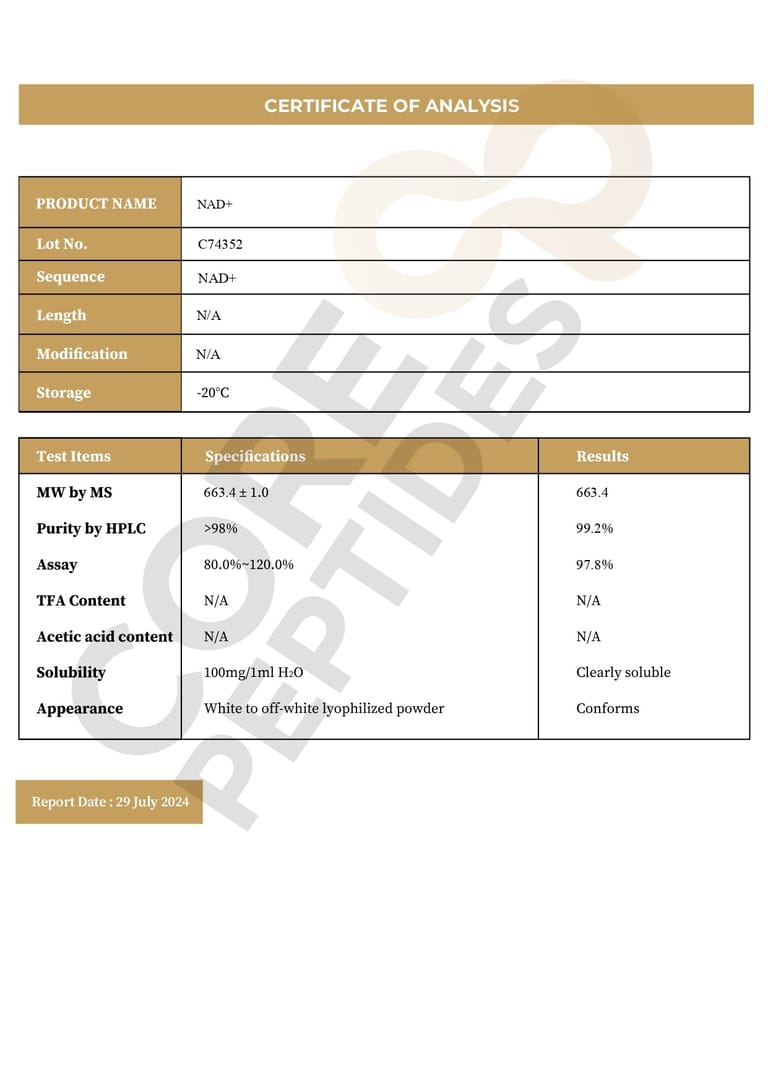
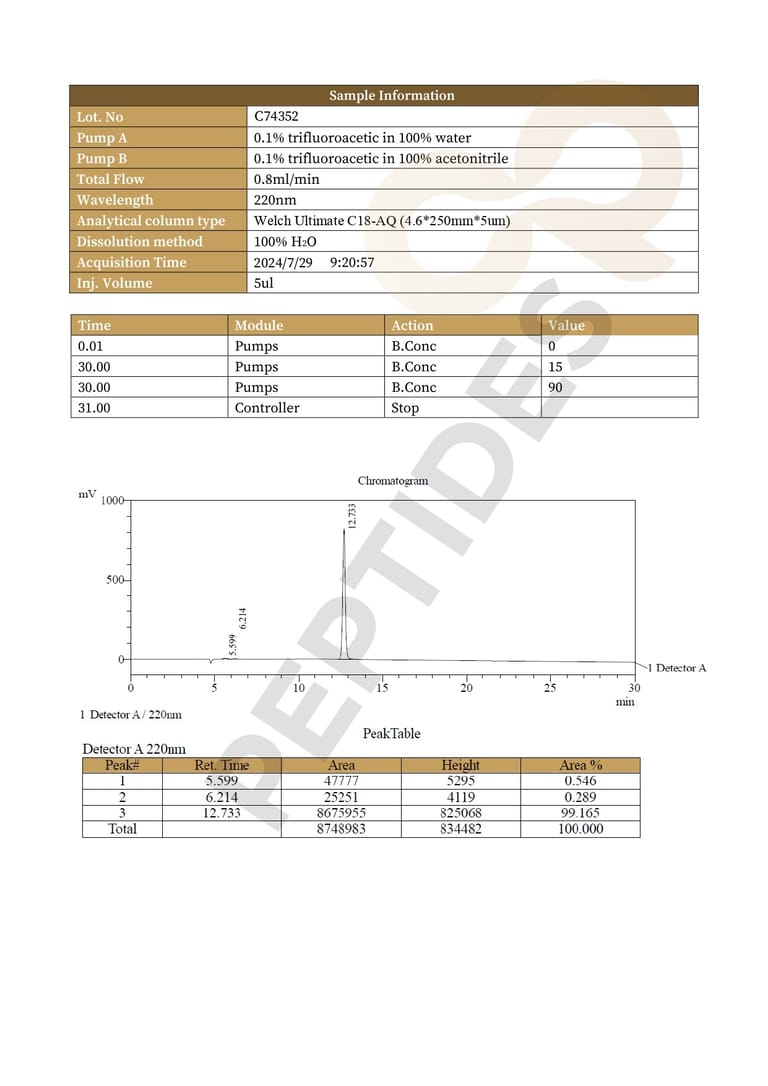
Purity | >99% |
Form | Lyophilized powder |
Contents | NAD+ |
Pricing
Size | Single Unit Price | 5 - 8 Discounted Price | 9+ Discounted Price |
100mg | $47.00 | $44.65 | $42.30 |
750mg | $292.00 | $277.40 | $262.80 |
Chemical Makeup
Specification | Details |
Molecular Formula | C_21H_27N_7O_14P_2 |
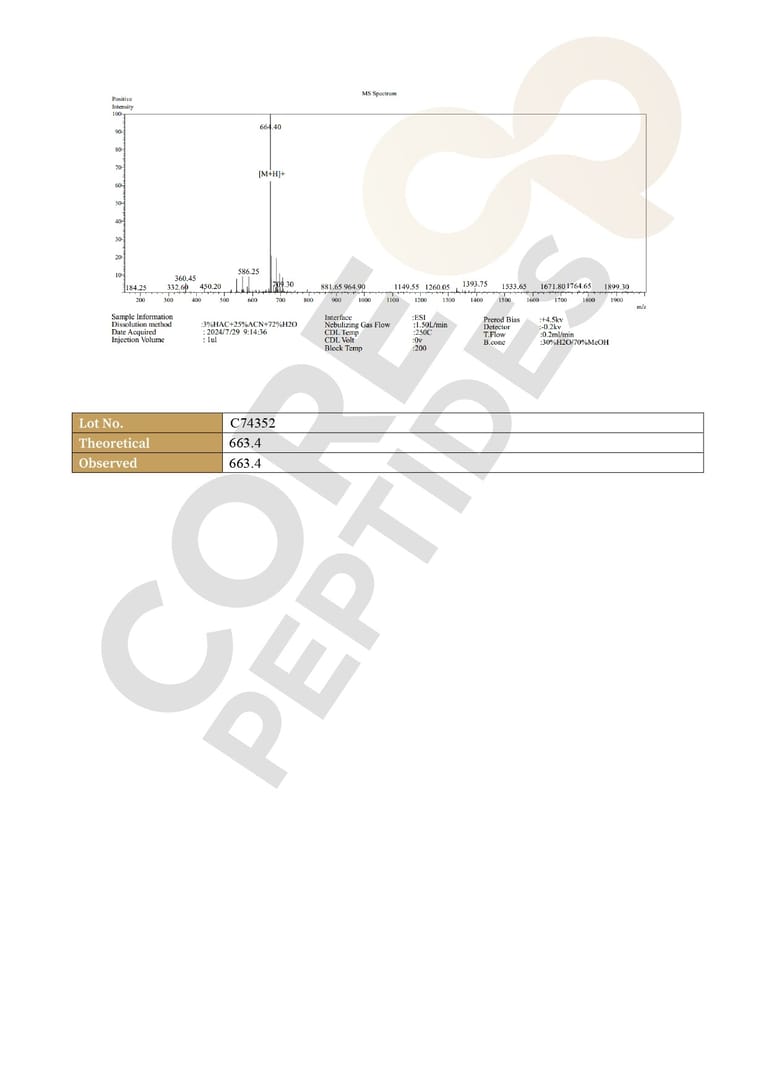
Molecular Weight | 663.43 g/mol |
Other Known Titles | Nicotinamide adenine dinucleotide |
Research and Clinical Studies
Cellular Function & Metabolism
NAD+ is considered to be a crucial coenzyme for several classes of enzymes, including sirtuins (SIRTs) and poly ADP ribose polymerase (PARPs), which are involved in mitochondrial homeostasis, DNA repair, and genomic stability. Researchers suggest that these enzymes may compete for available NAD+, underscoring the importance of maintaining a balance for optimal cellular function (5).
NAD+ is vital for energy production. It acts as a helper molecule in redox reactions during cellular respiration, transporting electrons to the electron transport chain to facilitate the production of ATP (13).
Research on mice exposed to NMN, an NAD+ intermediate, suggested that it may promote NAD+ synthesis. These models reportedly showed reduced weight gain, increased energy metabolism, and enhanced physical activity, hinting at a potential role in supporting "productive aging" and metabolism (7).
Neuroprotection & DNA Repair
Studies have investigated NAD+ for its potential to protect against neurodegenerative activity and DNA damage. Research on aged mice suggested that NMN may restore mitochondrial function in nerve and brain cells, indicating its potential to combat neurodegeneration (8).
NAD+ also appears to be critical for DNA repair. The enzyme PARP is thought to be NAD+-dependent, and its activation in response to DNA damage may lead to a rapid increase in NAD+ consumption. Studies have reported that replenishing NAD+ in neuronal cultures after ischemic stress appeared to significantly improve DNA repair activity and cell viability (11).
Liver, Kidney & Cardiac Function
Research suggests that NAD+ may have a positive impact on various organs. In mice, the peptide appeared to prevent obesity and alcoholic hepatitis, while also improving glucose homeostasis and liver function. In aged kidney cells, NAD+ appeared to promote SIRT activity, which showed neuroprotective potential against glucose-induced kidney cell hypertrophy (12).
Furthermore, NAD+ deficiency may lead to reduced SIRT activity and aortic constriction, which can affect cardiac function. A study on mice exposed to NMN before induced-ischemia reported that the peptide appeared to provide cardioprotective effects against ischemic injury (14).
Disclaimer: NAD+ peptide is available for research and laboratory purposes only.