
Nonapeptide-1 (200mg)
$175.00 $144.00
Nonapeptide-1 Product Information
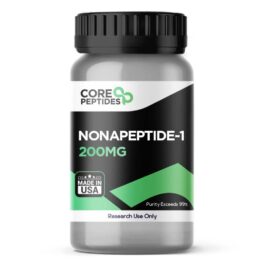
Our Nonapeptide-1 is a high-purity, synthetic peptide available in a 200mg size. Provided as a lyophilized powder with a certified purity of >99%, it is intended for research purposes. The SKU for this product is P-NONAPEPTIDE-1.
Nonapeptide-1 is a nine-amino-acid synthetic peptide being researched for its potential to inhibit the synthesis of melanin, the primary pigment responsible for skin color. It was first developed in the 1990s as a potent antagonist of the melanocortin-1 receptor (MC1R).
1. Mechanism of Action 🧪
Nonapeptide-1 is hypothesized to function as a melanocortin-1 receptor (MC1R) antagonist.
MC1R Inhibition: The peptide is believed to bind to MC1R on melanocytes (pigment-producing cells), preventing the action of alpha-melanocyte-stimulating hormone (α-MSH).
Tyrosinase Regulation: By inhibiting MC1R, Nonapeptide-1 is thought to disrupt the signaling cascade that leads to the activation of the enzyme tyrosinase. Tyrosinase is the key enzyme required for melanin synthesis. By downregulating tyrosinase and other related proteins (TRP1, TRP2, and MITF), the peptide may inhibit melanin production.
2. Research and Clinical Studies 🔬
Skin Pigmentation
Hyperpigmentation: Studies have focused on Nonapeptide-1's potential to reduce hyperpigmentation. An in vitro study showed that the peptide significantly decreased the expression of tyrosinase and other related proteins, even in the presence of UVA radiation.
Skin Tone: Researchers have hypothesized that the peptide may produce an apparent skin lightening effect of at least 33%. A clinical trial on melasma showed a consistent reduction in severity scores in the group exposed to the peptide.
Future Research Potential
Pain Management: Research on the MC1R suggests a possible role in nociception (pain perception). Studies on mice overexpressing an MC1R antagonist showed a reduced inflammatory pain response, particularly in female mice. This area is speculative, and Nonapeptide-1's potential in this regard hasn't been directly researched.
Melanoma: Studies on melanoma tumor cells, which express MC1R, have shown that inhibiting this receptor may slow tumor cell growth and reduce morphological heterogeneity. This is a potential area for future research on Nonapeptide-1, although no direct studies on its effect on melanoma have been conducted.
3. Product Information 🧬
Molecular Formula: C61H87N15O9S
Molecular Weight: 1206.5 g/mol
Important Notice: Nonapeptide-1 is available for research and laboratory purposes only. It is not intended for human or veterinary use. All information provided is for educational and scientific reference only and has not been evaluated by the FDA or any medical regulatory body.
Support
© 2025. All rights reserved.
WEIGHT LOSS