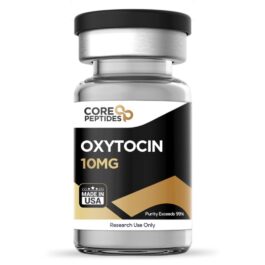
Oxytocin (10mg)
$47.00 $32.00
Oxytocin Product Information
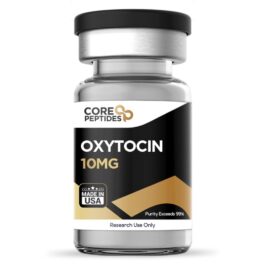
Our Oxytocin is a high-purity, synthetic peptide available in a 10mg size. Provided as a lyophilized powder with a certified purity of >99%, it is intended for research purposes. The SKU for this product is P-OXYTOCIN-10.
Pricing and Discounts
5-8 units: A 5% discount is applied, with a price of $49.40 per unit.
9+ units: A 10% discount is applied, with a price of $46.80 per unit.
We also offer FREE shipping on all orders over $200.
Oxytocin is a naturally occurring cyclic peptide hormone that acts as a neurotransmitter in the brain. It is secreted by the hypothalamus and stored in the posterior pituitary gland. A synthetic form, Recombinant Oxytocin, is a cyclic nonapeptide that mimics the natural hormone's actions. Oxytocin is best known for its role in labor and lactation, where it functions via a positive feedback mechanism to increase uterine contractions and milk ejection.
Key Research Areas 🔬
1. Neurobiology and Behavioral Effects
Dopamine Signaling: Researchers suggest oxytocin may play a role in sexual behavior by influencing the dopamine reward system in the brain, particularly in the ventral tegmental area (VTA) and nucleus accumbens. It may enhance dopamine release and/or the sensitivity of dopaminergic neurons, potentially boosting motivation and the perception of reward.
Neuroplasticity: Oxytocin is being researched for its potential role in neuroplasticity. It is thought to bind to G-protein coupled receptors, which may increase intracellular calcium levels and influence neuronal excitability and synaptic modulation. This could impact neurogenesis (the creation of new neurons) and the formation of neural circuits during early brain development.
Licensed by Google
Social Behavior: A clinical study on autistic males suggested that they had lower plasma levels of oxytocin compared to a control group. When their oxytocin levels were elevated, their analytic behavior scores (VABS) appeared to improve.
2. Clinical and Physiological Effects 🩺
Labor and Lactation: Oxytocin is crucial for childbirth and breastfeeding. It induces uterine contractions during labor and the contraction of myoepithelial cells in mammary glands, which causes milk to be ejected. A study on pregnant females suggested that continuing oxytocin administration after active labor starts might lead to a higher rate of cesarean deliveries. Another study suggested that oxytocin exposure during labor did not negatively impact a mother's ability to breastfeed in the long term.
Vasodilation: Research suggests oxytocin may have vasodilatory properties on small arteries, potentially increasing blood flow. A study on pregnant females showed that oxytocin may increase left ventricular ejection time and lower arterial blood pressure.
3. Product Information 🧬
Molecular Formula: C43H66N12O12S2
Molecular Weight: 1007.193 g/mol
Other Known Titles: endopituitrina
Important Notice: Oxytocin peptide is available for research and laboratory purposes only. It is not intended for human or veterinary use. All information provided is for educational and scientific reference only and has not been evaluated by the FDA or any medical regulatory body.
Support
© 2025. All rights reserved.
WEIGHT LOSS