Oxytocin (10mg)
$61.00$52.00
Oxytocin is a naturally occurring cyclic peptide hormone that is also a neurotransmitter. It is synthesized in the hypothalamus and stored in the posterior pituitary gland. It is being investigated for its roles in processes such as labor and lactation, as well as its potential to influence social behavior and neuroplasticity.
Product Information
Specification | Details |
SKU | P-OXYTOCIN-10 |
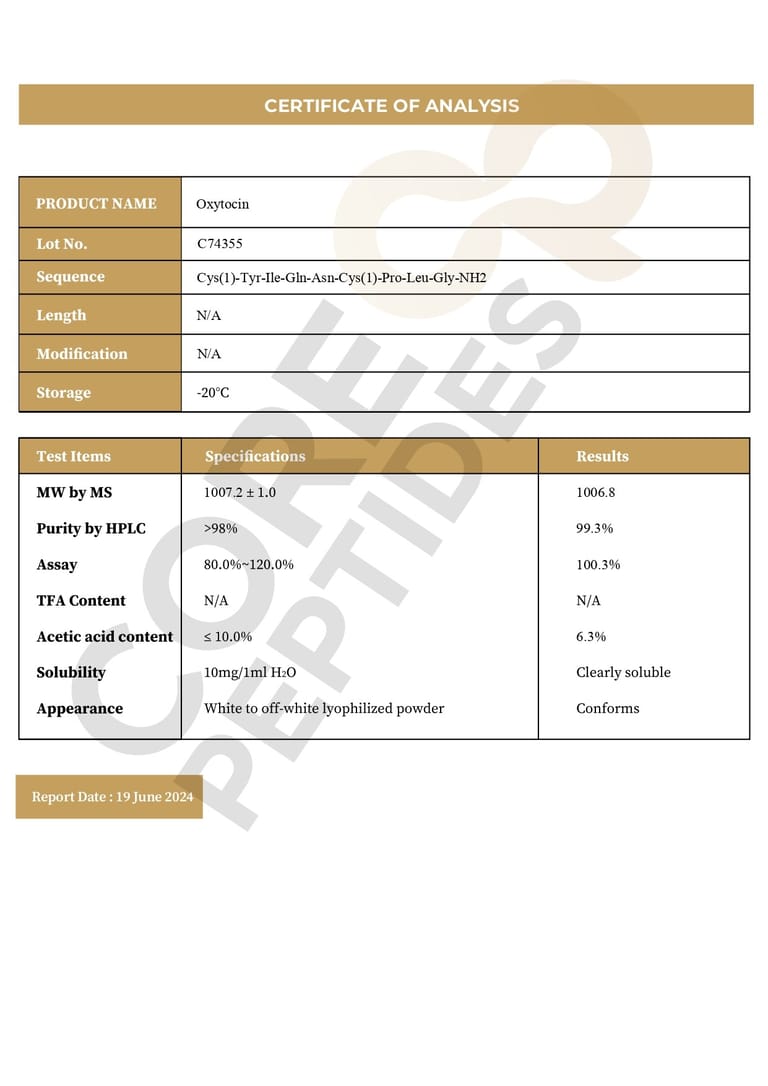
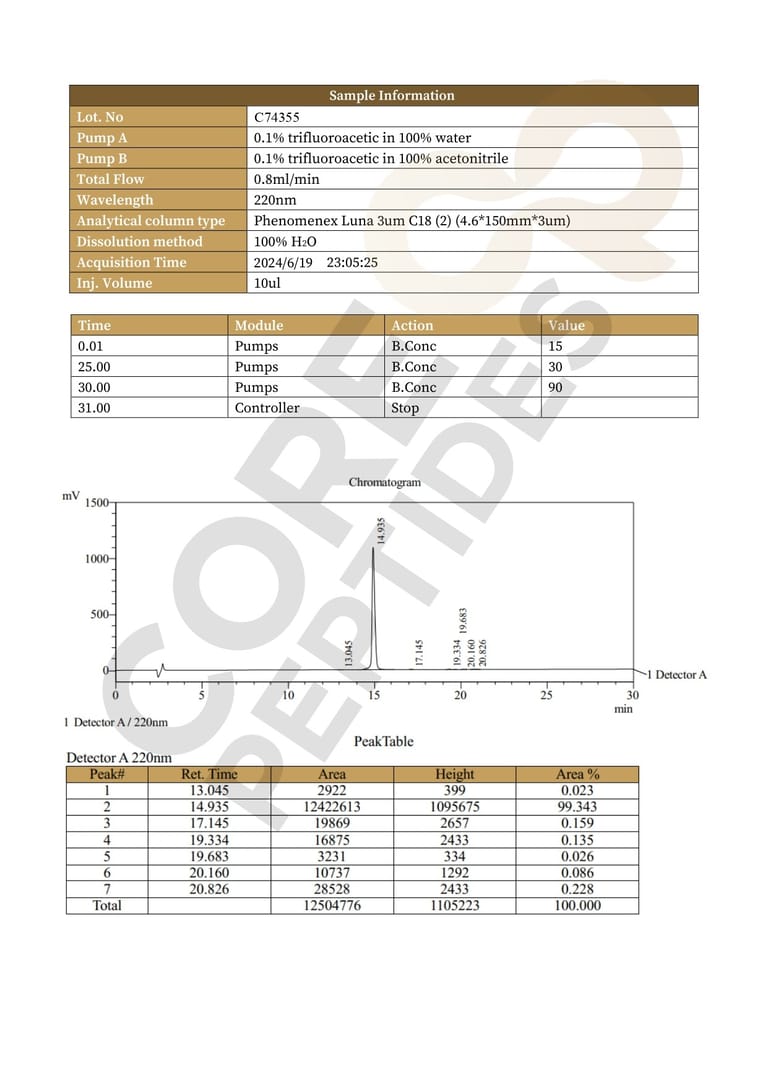
Purity | >99% |
Form | Lyophilized powder |
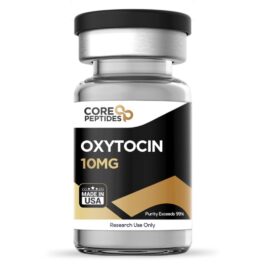
Size | 10mg |
Contents | Oxytocin (10mg) |
Pricing
Quantity | Discount | Price (USD) |
Single Unit | N/A | $52.00 |
5 - 8 | 5% | $49.40 |
9+ | 10% | $46.80 |
Chemical Makeup
Specification | Details |
Molecular Formula | C_43H_66N_12O_12S_2 |
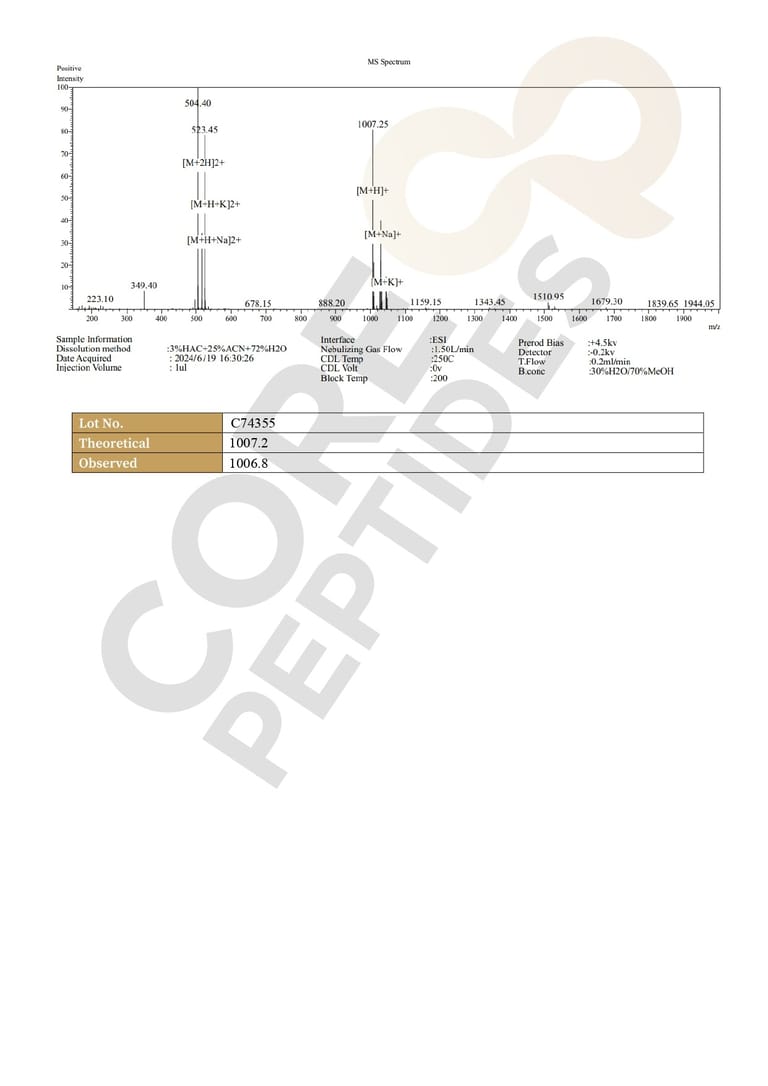
Molecular Weight | 1007.193 g/mol |
Other Known Titles | endopituitrina |
Research and Clinical Studies
Role in Labor & Lactation
Oxytocin is well-known for its role in gestation and lactation. It works via a positive feedback mechanism; its initial secretion can trigger the release of more of the hormone. During labor, oxytocin may bind to G-protein coupled receptors to increase intracellular calcium levels, which can induce uterine contractions. This is a common mechanism for labor induction. Similarly, in lactation, it may cause the contraction of myoepithelial cells in the mammary glands, stimulating milk ejection. A study on new mothers reported that those exposed to oxytocin during labor appeared to have impaired breastfeeding in the first hour but an increase in breastfeeding three months later (3, 7).
Neurological & Behavioral Effects
Oxytocin is also being investigated for its potential effects on the brain and behavior.
Dopamine Signaling: Research suggests that oxytocin may influence the brain's dopamine reward system, particularly in the ventral tegmental area (VTA) and the nucleus accumbens. This interaction may enhance dopamine release, which could influence sexual motivation and the perception of reward (4).
Neuroplasticity: The peptide's ability to increase intracellular calcium levels is also being explored for its potential role in neuroplasticity and neurogenesis. It may influence neuronal excitability and synaptic modulation, which are critical for the formation and function of neural circuits (5).
Autism: A clinical study on autistic males found that they had lower plasma oxytocin levels compared to control subjects. When oxytocin levels were elevated in the study, their analytic behavior score (VABS) reportedly improved, suggesting a potential link between oxytocin and social behavior (9).
Vasodilation
A study on pregnant females in their first trimester suggested that oxytocin may have vasodilatory properties on small arteries. It appeared to elevate left ventricular ejection time, which may indicate a positive impact on cardiac function and heart muscle tone (8).
Disclaimer: Oxytocin peptide is available for research and laboratory purposes only.