Semaglutide (3mg / 5mg / 10mg)
$119.00$109.00
Semaglutide is a synthetic peptide analogous to the human hormone glucagon-like peptide-1 (GLP-1). It is being researched for its potential as an anti-diabetic and anti-obesity agent. It works by mimicking the action of GLP-1, which regulates blood sugar levels and appetite.
Product Information
Specification | Details |
SKU | P-Semaglutide |
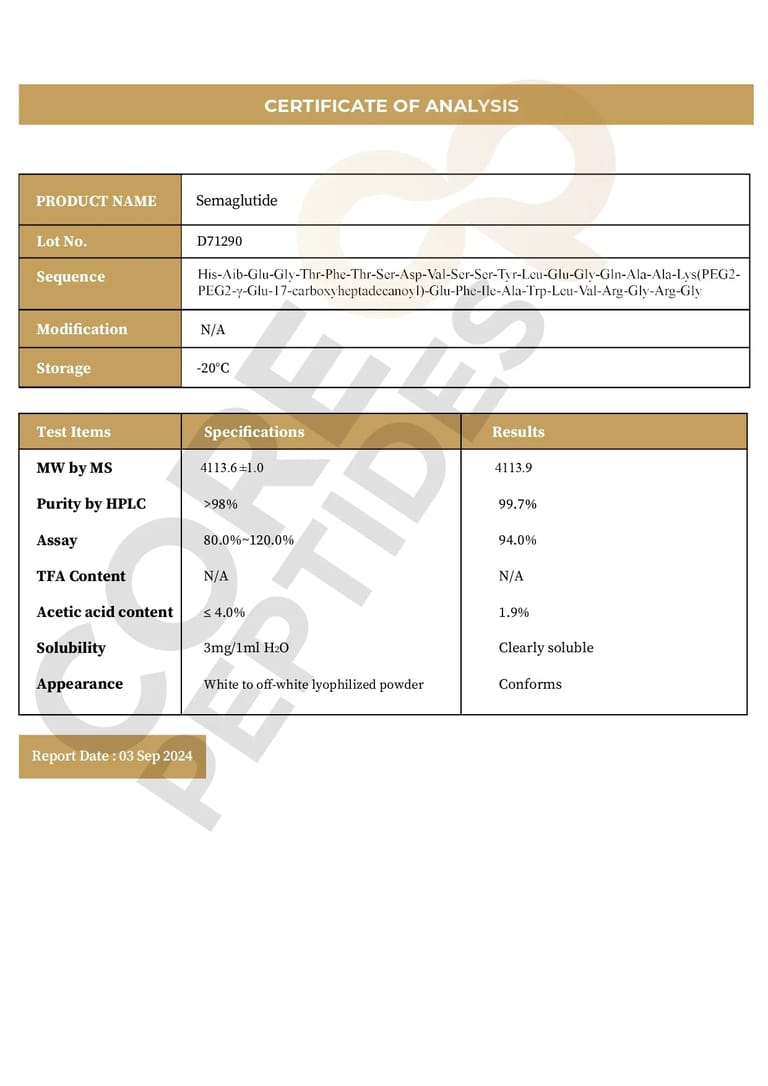
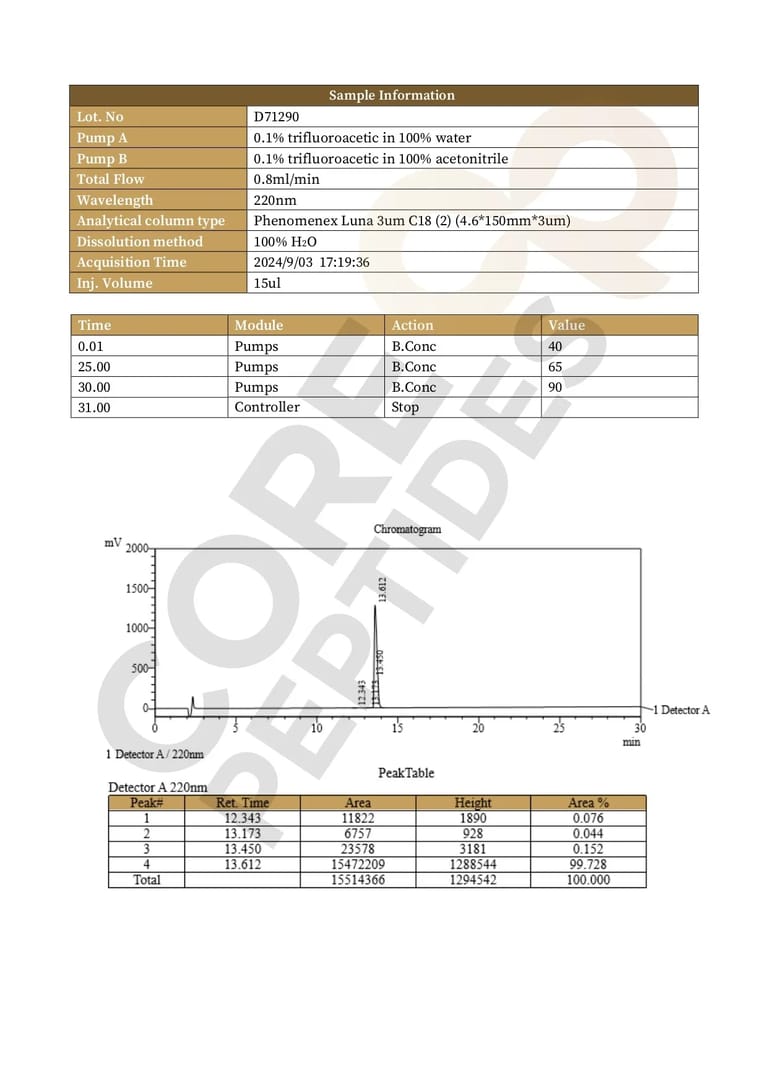
Purity | >99% |
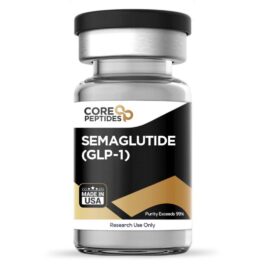
Form | Lyophilized powder |
Sizes | 3mg, 5mg, 10mg |
Contents | Semaglutide |
Pricing
Size | Single Unit Price (USD) | 5 - 8 Units Price Range (USD) | 9+ Units Price Range (USD) |
3mg | $109.00 | $103.55 | $98.10 |
5mg | $165.00 | $156.75 | $148.50 |
10mg | $243.00 | $230.85 | $218.70 |
Chemical Makeup
Specification | Details |
Molecular Formula | C_187H_291N_45O_59 |
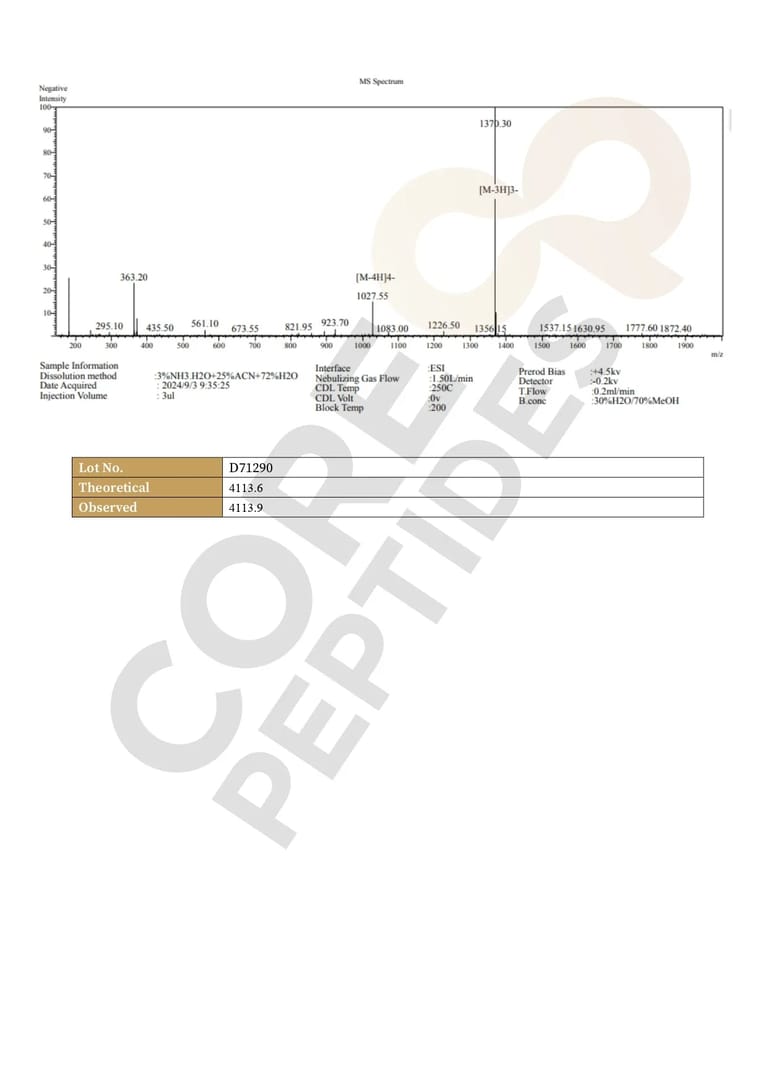
Molecular Weight | 4113.6 g/mol |
Other Known Titles | N/A |
Research and Clinical Studies
Mechanism of Action & Diabetes
Semaglutide functions as a GLP-1 receptor agonist. By binding to and activating GLP-1 receptors in the pancreas, gastrointestinal tract, and brain, it enhances glucose-dependent insulin secretion and suppresses glucagon release. This helps to lower blood glucose levels (2.1). It also slows gastric emptying and affects the brain's satiety centers, which can reduce food intake and lead to weight loss (2.4).
Clinical research on Semaglutide has demonstrated its effectiveness in improving glycemic control and reducing the risk of major adverse cardiovascular events in patients with type 2 diabetes (3.4).
Obesity & Weight Management
The GLP-1 receptor activation also affects appetite and satiety, making semaglutide a subject of extensive research for chronic weight management. Clinical trials have shown that participants taking semaglutide achieved significant body weight loss, along with improvements in cardiometabolic markers such as blood pressure and cholesterol levels (3.2, 3.3).
Other Potential Research Areas
Recent studies are also exploring the use of semaglutide for conditions beyond diabetes and obesity. One ongoing trial showed that it may lead to the resolution of steatohepatitis and a reduction in liver fibrosis in patients with metabolic dysfunction-associated steatohepatitis (MASH) (3.1). Other research is examining its potential to reduce the risk of heart and kidney disease (3.1).
Disclaimer: Semaglutide peptide is available for research and laboratory purposes only.