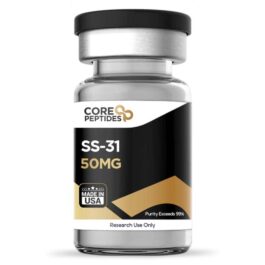
SS-31 (50mg)
$248.00$236.00
SS-31 (Szeto-Schiller-31) is a synthetic tetrapeptide that is being investigated for its potential to address mitochondrial dysfunction and oxidative stress. With a unique cationic charge, it is hypothesized to accumulate in the inner mitochondrial membrane, where it may bind to cardiolipin and mitigate damage caused by oxidative stress.
Product Information
Specification | Details |
SKU | P-SS-31-50 |
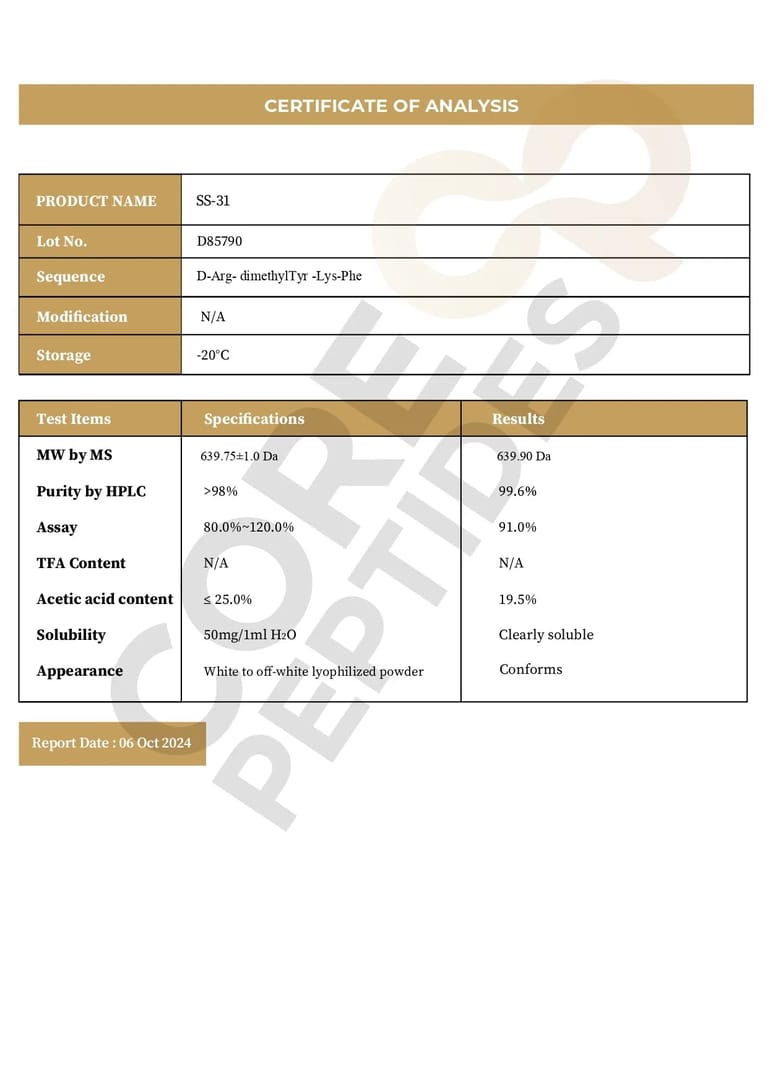
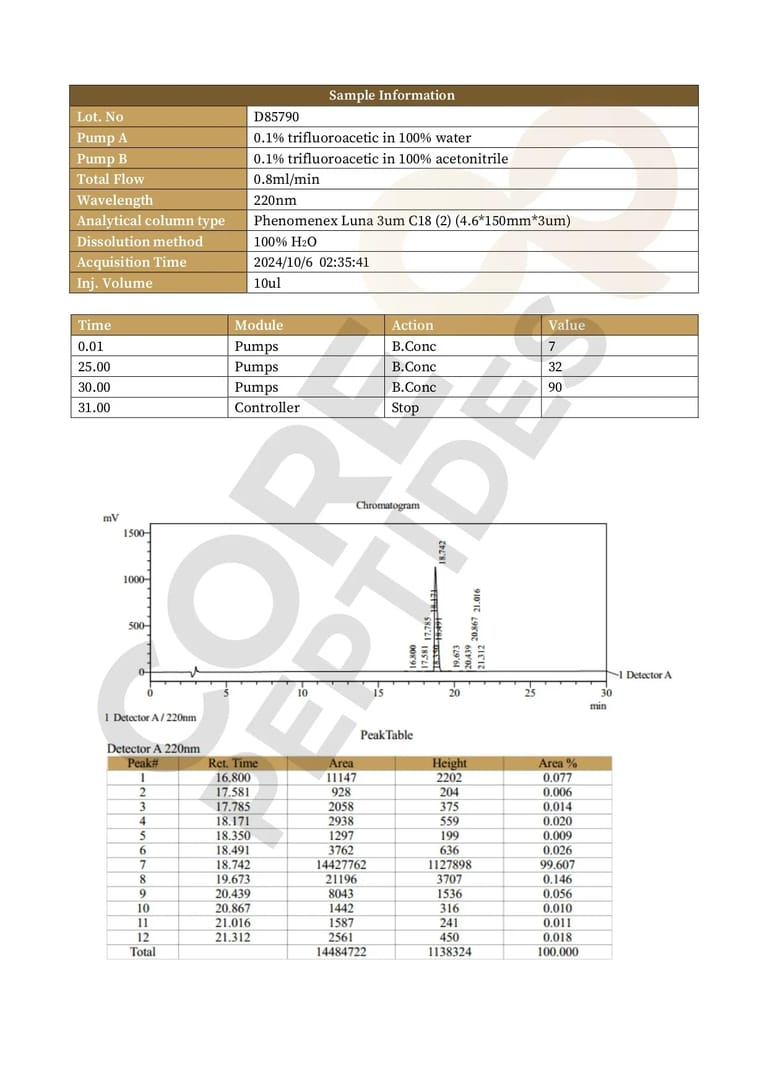
Purity | >99% |
Form | Lyophilized powder |
Size | 50mg |
Contents | SS-31 |
Pricing
Quantity | Discount | Price (USD) |
Single Unit | N/A | $263.00 |
5 - 8 | 5% | $249.85 |
9+ | 10% | $236.70 |
Chemical Makeup
Specification | Details |
Molecular Formula | C_32H_49N_9O_5 |
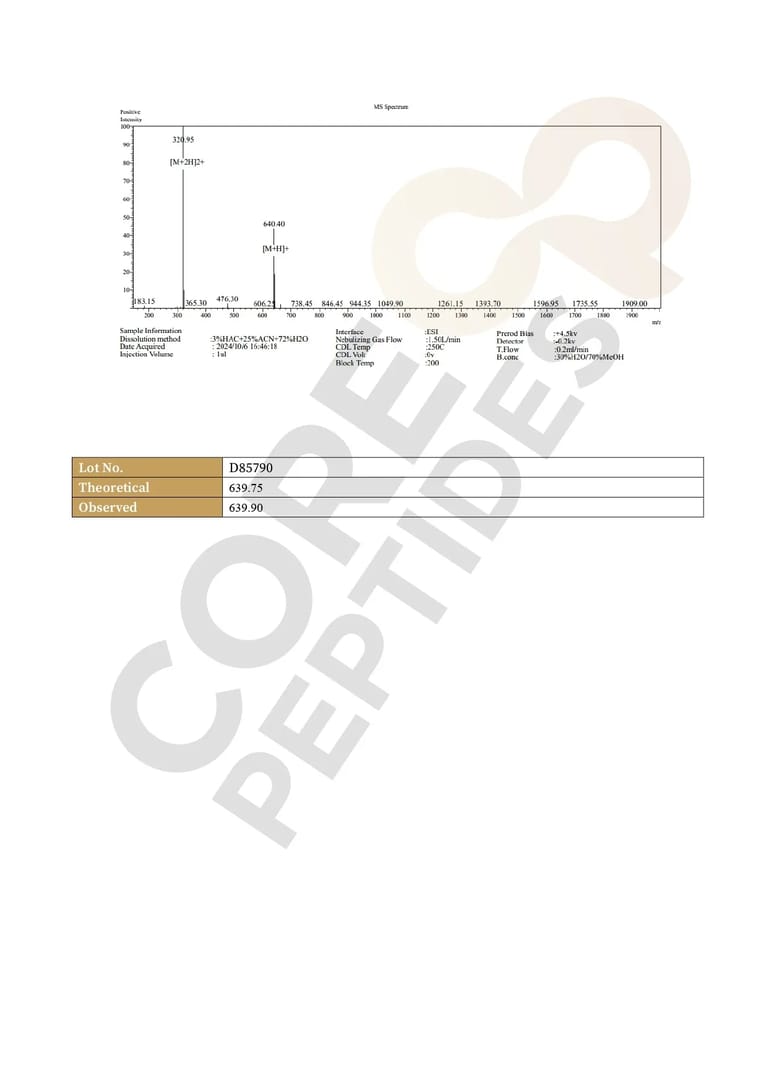
Molecular Weight | 639.8 g/mol |
Other Known Titles | MTP-131 |
Research and Clinical Studies
Mitochondrial Health & Oxidative Stress
A primary focus of SS-31 research is its potential to improve mitochondrial function. The peptide is thought to accumulate in the inner mitochondrial membrane and bind to cardiolipin, a phospholipid essential for mitochondrial cristae formation and ATP production. This binding may protect cardiolipin from oxidative damage and enhance the efficiency of oxidative phosphorylation (1, 7).
A study on a murine model of diabetic retinopathy reported that SS-31 exposure appeared to improve retinal cell structures and decrease markers of oxidative stress (2). It has also been suggested to mitigate age-related oxidation of heart proteins (3) and improve muscle mitochondrial activity in models with cachexia (8).
Neuroprotection & Kidney Function
SS-31 is being researched for its potential neuroprotective properties. A study on murine models of neuronal injury suggested that SS-31 exposure appeared to counteract mitochondrial impairment, lessen neuronal injury, and reduce the content of reactive oxygen species (5).
In the context of kidney function, SS-31 has been investigated for its potential to accelerate ATP recovery after ischemic events. Research suggests that SS-31 may protect mitochondrial cristae membranes during renal ischemia, which could lead to swift ATP recovery and mitigate acute kidney injury (7).
Metabolic Conditions & Tendinopathies
Studies on leukocytes from models with type 2 diabetes indicated that SS-31 exposure appeared to significantly mitigate elevated levels of reactive oxygen species (ROS) and markers of endoplasmic reticulum (ER) stress (6). SS-31 is also being investigated for its potential to ameliorate mitochondrial dysfunction in tenocytes (cells of tendons). A study reported that SS-31 appeared to improve the morphology of degenerative tenocytes and recover the activity levels of superoxide dismutase (9).
Disclaimer: SS-31 peptide is available for research and laboratory purposes only.