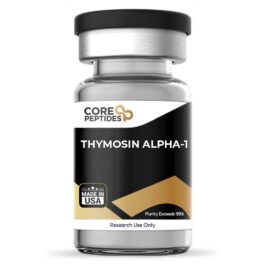
Thymosin Alpha-1 (5mg / 10mg)
$84.00$81.00
Thymosin Alpha-1 (Tα1) is a naturally occurring polypeptide that is being researched for its potential to restore and enhance immune functions. Also known as Thymalfasin in its synthetic form, it is a fragment of a larger protein found in the thymus gland and is being investigated for its possible effects on T-cell production, cytokine levels, and overall immune response.
Product Information
Specification | Details |
SKU | P-THYMOSA1-5-10 |
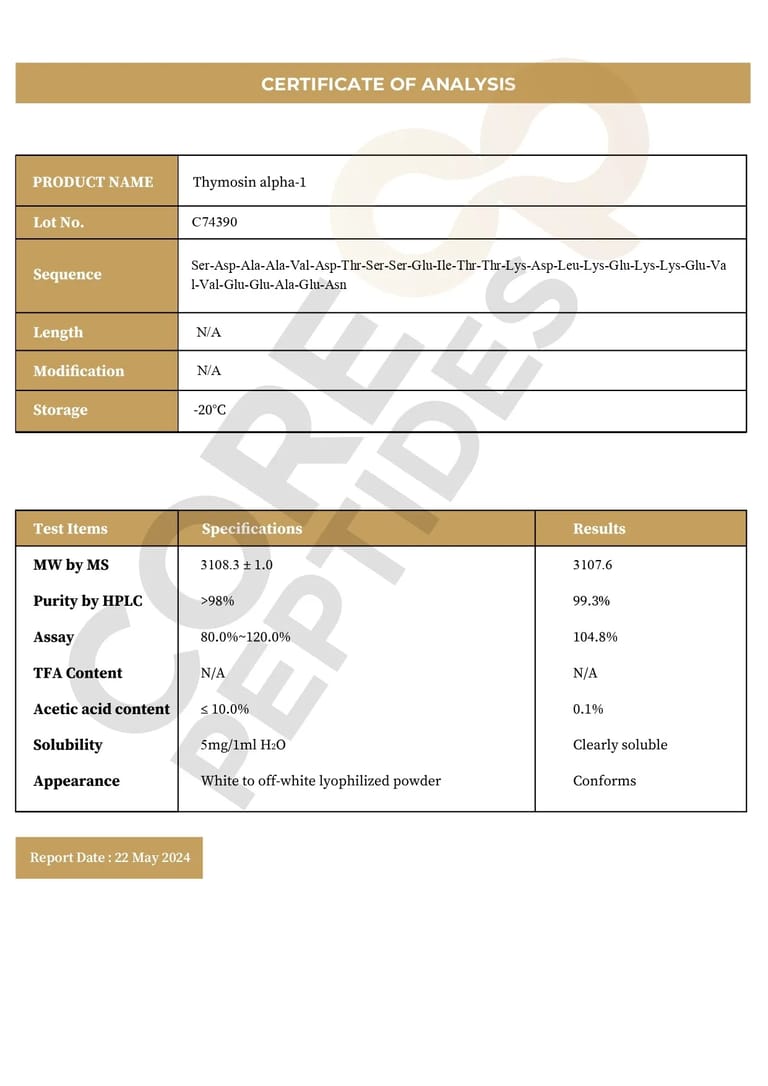
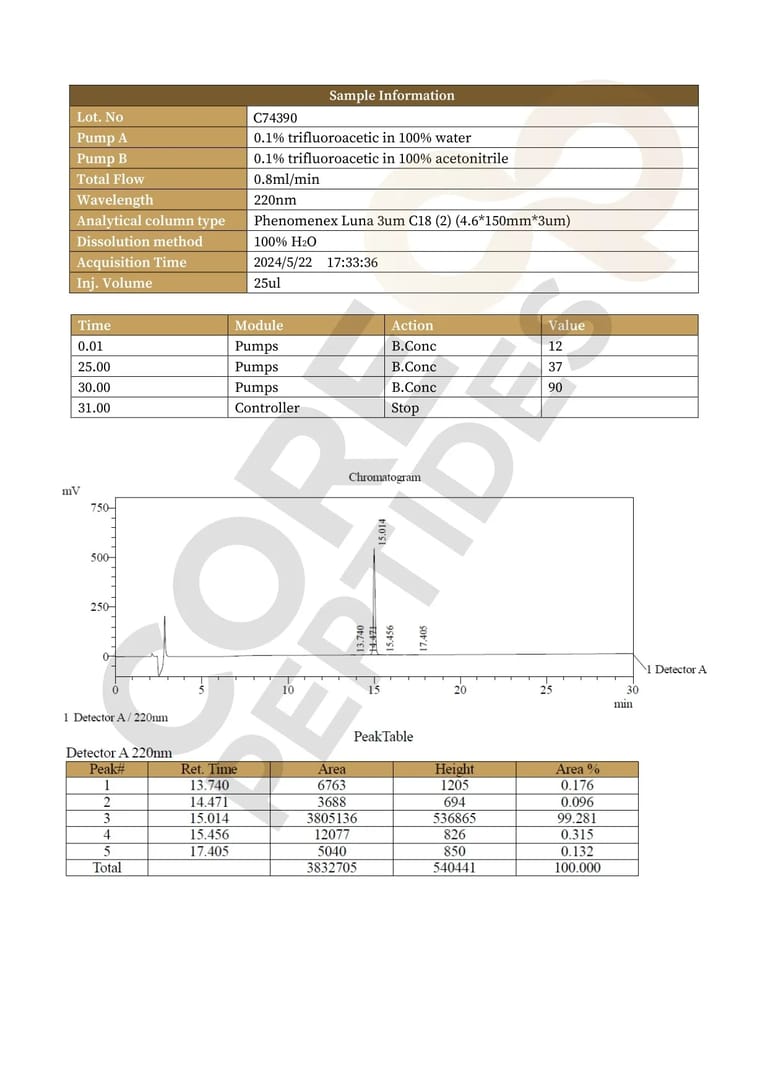
Purity | >99% |
Form | Lyophilized powder |
Sizes | 5mg, 10mg |
Contents | Thymosin Alpha-1 |
Pricing
Size | Single Unit Price (USD) | 5 - 8 Units Price Range (USD) | 9+ Units Price Range (USD) |
5mg | $81.00 | $76.95 | $72.90 |
10mg | $149.00 | $141.55 | $134.10 |
Chemical Makeup
Specification | Details |
Molecular Formula | C_129H_215N_33O_55 |
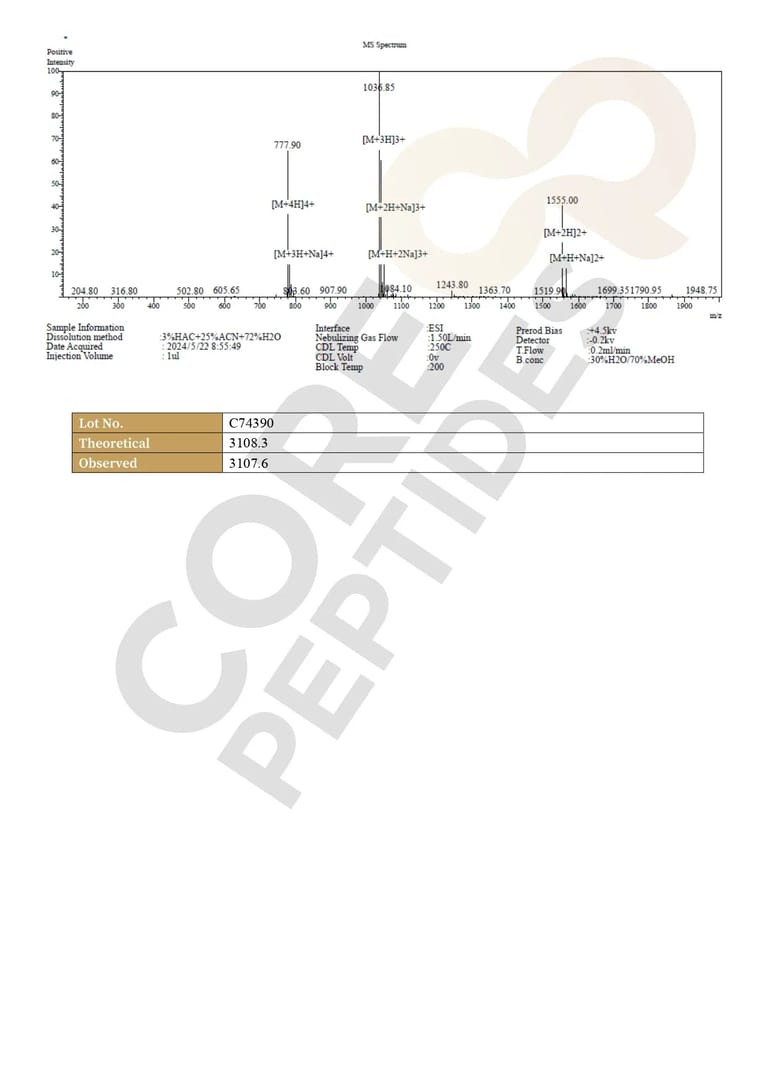
Molecular Weight | 3108.31 g/mol |
Other Known Titles | TA1, Tα1, Thymalfasin |
Research and Clinical Studies
Immune System Modulation
Thymosin Alpha-1 is being researched for its potential to modulate immune responses. Studies have suggested that the peptide may increase the concentration of the major histocompatibility complex (MHC) class I and enhance the activity of natural killer cells and macrophages. It is also believed to increase the expression of high-affinity receptors for interleukin-2, which could lead to a more vigorous activation of T lymphocytes (4). In a study on models with a viral infection (Hepatitis B), the virological response rate reportedly increased by 40.6% after exposure to the peptide (2).
Sepsis & Infectious Diseases
In a meta-analysis of 12 controlled trials, researchers reported a significant decline in mortality rates among test models with sepsis after exposure to Thymosin Alpha-1. The peptide is hypothesized to alleviate the immunosuppression associated with severe sepsis by potentially influencing immune pathways, though further research is needed to understand the optimal timing of exposure (6).
The peptide has also been explored for its potential to support models with HIV. In a clinical trial, while there were no significant changes in T-cell counts, levels of signal joint T-cell receptor excision circles (sjTREC) reportedly increased, hinting at a possible improvement in thymic output and immune reconstitution (7).
Anti-Cancer Potential
Thymosin Alpha-1 is being investigated for its potential to affect cancer cells. In a study on liver carcinoma models, the peptide reportedly increased the levels of leuko-monocytes while delaying the cell cycle and reducing the levels of HepG2 cancer cells. Another study on lung cancer cells (A549) suggested that Thymosin Alpha-1 may have an anti-proliferative action and enhance the activity of antioxidant enzymes like catalase, superoxide dismutase (SOD), and glutathione peroxidase (GPx) (8, 9).
Disclaimer: Thymosin Alpha-1 peptide is available for research and laboratory purposes only.