Vilon (20mg)
$81.00$74.00
Vilon, also known as Lysylglutamate, is a synthetic dipeptide and a bioregulator peptide. It is being researched for its potential to support the immune system, possibly mitigate cancer cell proliferation, and induce anti-aging effects. Researchers hypothesize that Vilon exerts its effects by potentially interacting with chromatin structure to reactivate "silent" genes and cells.
Product Information
Specification | Details |
SKU | P-Vilon |
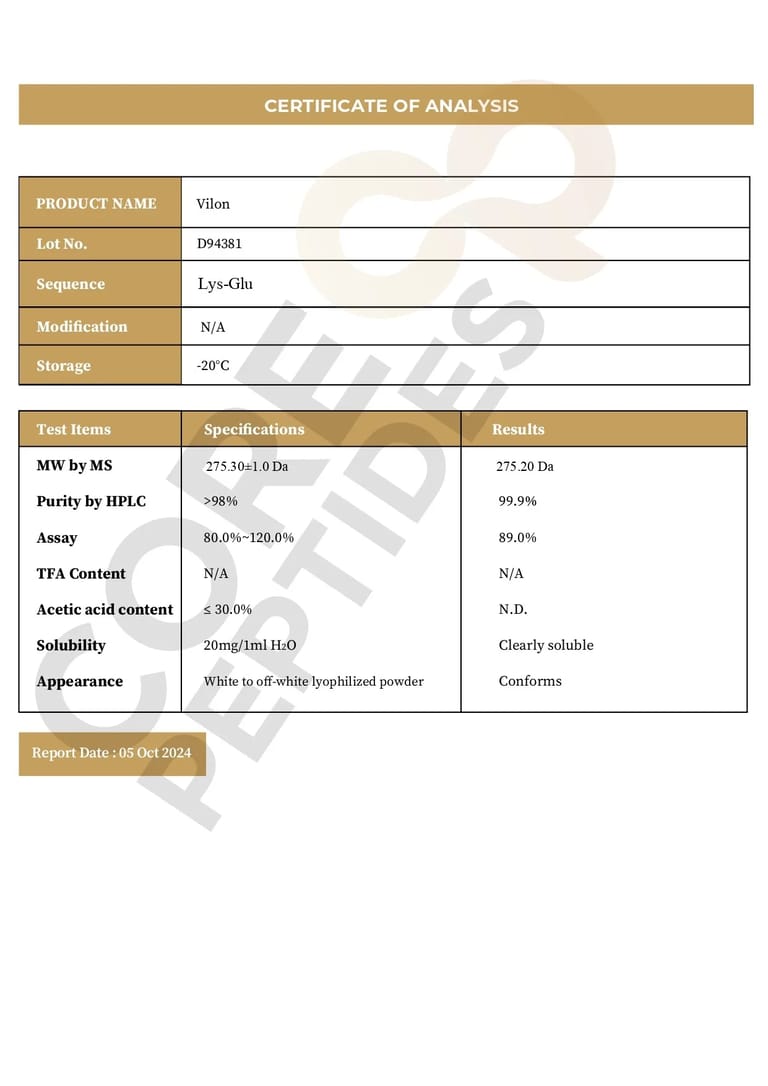
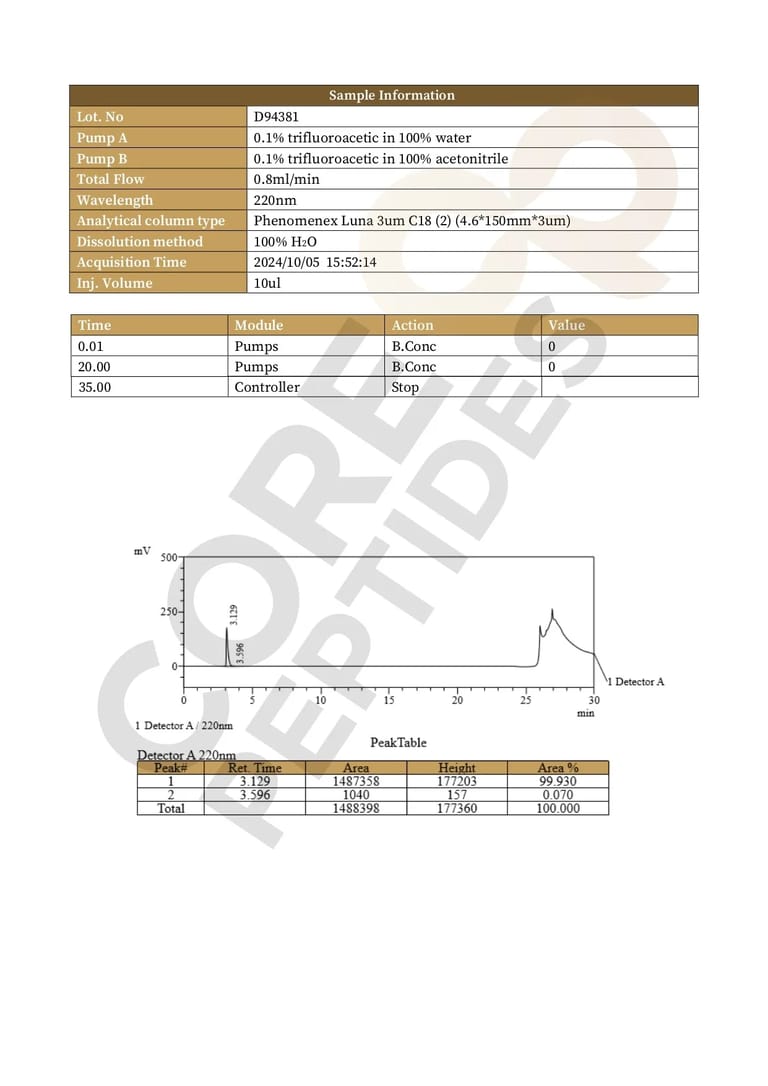
Purity | >99% |
Form | Lyophilized powder |
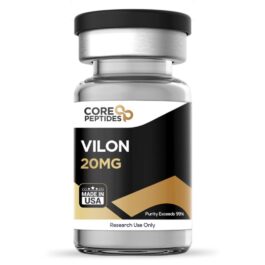
Size | 20mg |
Contents | Vilon |
Pricing
Quantity | Discount | Price (USD) |
Single Unit | N/A | $74.00 |
5 - 8 | 5% | $70.30 |
9+ | 10% | $66.60 |
Chemical Makeup
Specification | Details |
Molecular Formula | C_11H_21N_3O_5 |
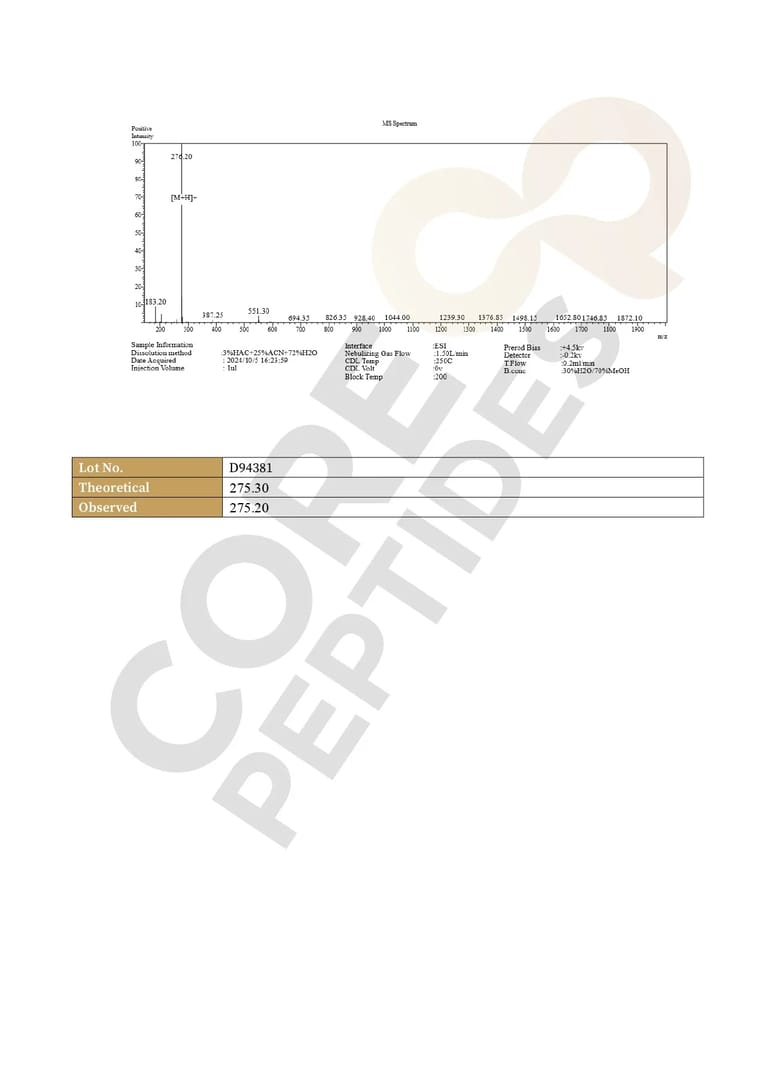
Molecular Weight | 257.30 g/mol |
Sequence | Lys-Glu |
Other Known Titles | Lysylglutamate, normophthal, Lysylglutamic acid |
Research and Clinical Studies
Immune System Regulation
Vilon is being researched for its potential to support the immune system, particularly in immunocompromised models. It is hypothesized to activate the production of interleukin-2 (IL-2) in spleen cells, which is a protein critical for immune function (3). Studies also suggest that Vilon may enhance the expression of the CD5 molecule in thymic cells, which is an important marker in T-cell development and maturation. This could potentially help enhance the proliferation of T-helper cells (4).
Cellular Lifespan & Geroprotection
Vilon is being investigated for its potential to extend the lifespan of certain animal models. Research suggests that it may help mitigate accelerated cellular aging caused by low amounts of ionizing radiation (8). Studies on tissue cultures from older murine models showed that Vilon may induce morphological stability and activate regeneration and functional activity in cells. This has led to the hypothesis that Vilon could be relevant in geriatric research, focusing on the mechanisms of cellular aging and regeneration (7).
Carcinogenic & Gastrointestinal Effects
Several studies have suggested that Vilon has the potential to prevent the spread of some carcinogenic cells by possibly inhibiting the formation and growth of new tumors. In one experiment on models exposed to a carcinogen (BBNA), the group exposed to Vilon had a lower incidence of urinary bladder cancer cells and a lower average number of tumors per model (10).
Vilon is also being researched for its potential effects on the gastrointestinal tract. Studies suggest that it may enhance the functionality of certain enzymes in the GI tract, potentially leading to increased resistance to GI-specific ailments and a reduction in leaky bowels (12).
Disclaimer: Vilon peptide is available for research and laboratory purposes only.